


Spliced Wood Veneer
What is Spliced Wood Veneer
Spliced wood veneer in width to achieve larger formats and the desired grain pattern. Furniture veneer sheets are joined together, allowing us to obtain much wider formats than with veneer sheets, which typically have a maximum width of 30-40cm.
Benefits of Spliced Wood Veneer
Beautiful:
The best, most interesting logs are cut into spliced wood veneer. This is largely an economic decision--sellers and spliced wood veneer makers can make more money from a high quality log sliced into spliced wood veneer than they can from sawing it into boards. And certain cuts, such as burls, are structurally unsound in 'the solid'. These beautiful woods can rarely be utilized unless they're sliced into spliced wood veneer
Environmentally Kind:
Saw timber is typically sawn into 1" thick boards. The saw cuts a kerf between boards 1/4" thick that winds up as sawdust. Spliced wood veneer is not cut from the log but sliced with a knife (like lunch meat) into 1/32" leaves or sheets. That produces 32 spliced wood veneer surfaces for every 1 that is gotten from a board and with no wood wasted as sawdust another 8 sheets where the sawblade would have gone. That's 40 surfaces of spliced wood veneer for every 1 of solid wood.
Creates New Design Possibilities:
Since spliced wood veneer is so thin and is glued to a stable substrate it allows designs and arrangements of the wood that would fail in solid wood. Solid wood, even kiln-dried, moves or works from summer through winter through summer again. A radiant table top would be impossible in solid lumber because the seams would open in winter and swell tightly shut in summer. Cross grain designs such as aprons and edge bandings are also impossible in solids. Solid burls are also largely unusable but frequently used in spliced wood veneer.
Stable:
Since spliced wood veneer is glued with a waterproof adhesive to a stable substrate it produces surfaces not prone to warp or splitting or seasonal movement.


Why Choose us
Excellent team
Our team boasts a strong academic background, with members holding advanced degrees in wood science and related fields. This academic foundation equips us with a deep understanding of the properties and potential of wood, allowing us to deliver superior products and solutions.
Customer-focused
Our commitment to quality extends beyond our products to the customer experience we provide. We believe in building long-term relationships based on trust, transparency, and mutual success.
Quality Assurance
We strictly follow international grading rules to ensure that our wood materials meet the rigorous demands of our diverse clientele.
Types of Spliced Wood Veneer & When to Use Them
Raw Wood Veneer
Raw veneer is veneer that has no backing on it, so it can be used on either side as they look the same until you apply a finish. In the slicing process one side of the veneer is compressed the other stretched, so they can accept stain differently. Mostly made from hardwood trees, it’ s very durable and can be used on flat as well as curved surfaces and the grain isn’ t matched during manufacture. This means that if you want to create a specific finish, it might be better to choose a different type of veneer.
Laid-Up Veneer
Laid-up veneer is pieces of raw veneer attached together to create larger pieces. This is a good option as it can be manufactured to your specific size, design, and shape – but it is a lengthy process to create.
Backed Wood Veneer
Backed veneer uses another material – paper, phenolic, cloth and foil are common backings – to make it stronger and more versatile. The second material is attached to one side of the veneer and the grains in the panels are usually matched during manufacture. They can be applied to flat or curved surfaces as it is more flexible than raw wood veneer and less likely to crack.
Laminated or Reconstituted Veneer
Typically made from fast-growing species, reconstituted veneer consists of several slices of wood laminated together. The resulting block of wood is then sliced in the opposite direction from the initial slices so that its edges become the grain of the reconstituted veneer. The result is a very flexible veneer that can be shaped and bent.
Selecting A Spliced Wood Veneer: What To Know
Book match is the most common matching type of veneer, with roughly nine out of 10 spliced wood veneers falling under book match. To book match, alternating leaves of veneer are turned over, so that adjacent leaves are opened like the pages of a book.
A-grade spliced wood veneer is typically book matched and is used in architectural applications or for visually prominent features such as cabinet doors. Exceptions to this use are found for knotty pine, knotty cedar and alder, where the presence of characteristics like knots makes for unpleasant patterns; species with many characteristics are usually plank matched.
Slip is a matching type is most often used to minimize the barber-pole effect common with book matching. In slip matching, the leaves of veneer are fed into the splicing machine the same way they come off the slicer or lathe. Slip match usually features the tight side of the veneer facing outward.
Unlike with book match, a cathedral cannot be manufactured using slip match. When you are using a straight-grain veneer, such as rift, if the grain is not running parallel to the edge of the veneer, the whole sheet can appear as if it were leaning or out of square. Cabinet manufacturers who want to eliminate or minimize the barber-pole effect that can sometimes occur with book match commonly use slip match. Another advantage of slip match is that it reflects light and takes finishes more uniformly.
Spliced wood veneer is when dissimilar (in color, grain or width) veneer leaves of the same species are specially selected and assembled in a specific order to create a particular look. This method creates a casual or rustic effect. It is the second most common match after book match.
A main reason to spliced wood veneer is to achieve a look that resembles lumber planks that are edge-glued together. A secondary reason is to avoid situations where knots and knotholes achieve a less-than-desired effect. Knotty grades are typically spliced wood veneer so knots and knotholes are distributed across the veneer and do not end up in repeating rows. Kitchen cabinets are the top use case for spliced wood veneer veneers.
Dos of Spliced Wood Veneer Maintenance
Dust and Clean on a Regular Basis: Regularly dusting and cleaning the spliced wood veneer surface is important to remove accumulated surface particles. This helps maintain the cleanliness of the veneer and prevents potential damage over time. To accomplish this, use a soft cloth or microfiber duster to gently remove dust and debris from the surface.
Protect from Direct Sunlight and Heat: Prolonged exposure to sunlight can lead to fading and discoloration, while heat can cause warping or cracking. It is, therefore, important to protect spliced wood veneer from direct sunlight and heat to preserve its appearance. Install curtains, blinds, or window films to reduce sunlight intensity.
Use Coasters and Trivets: Using coasters and trivets is essential to prevent damage from heat and moisture. Placing them under glasses, mugs, and hot dishes creates a protective barrier, preventing heat-related issues such as stains, warping, or other damage to the veneer. This practice helps maintain the veneer's integrity and prolong its lifespan.
Maintain a Consistent Environment: Fluctuations in temperature and humidity can cause the veneer to expand, contract, warp, or crack. To mitigate the risks, and maintain a consistent environment, avoid placing veneered furniture near heat sources or in areas with high humidity, such as bathrooms or kitchens.
Don't Use Harsh Cleaners or Abrasive Materials: Using harsh cleaners or abrasive materials can damage the delicate surface of spliced wood veneer. Instead, opt for mild, non-abrasive wood cleaners specifically designed for wood surfaces. This ensures gentle yet effective cleaning without compromising the veneer's integrity.
Don't Expose to Excessive Moisture or Liquids: Exposure to excessive moisture or liquid can cause significant damage to spliced wood veneer. It can lead to swelling, warping, or delamination, compromising its structural integrity. Therefore, it is crucial to promptly wipe up spills and avoid using excessively wet cloths during cleaning to protect the veneer from these harmful effects.
Don't Drag or Slide Objects Across the Surface: Dragging or sliding objects directly on the spliced wood veneer surface can result in unsightly scratches and damage. To preserve the veneer's smooth and flawless appearance, and prevent unnecessary wear and tear, follow simple precautions like lifting objects instead of dragging them.
Don't Ignore Signs of Damage: Ignoring signs of damage on spliced wood veneer can lead to further deterioration and compromise its overall condition. Make sure you address any cracks, chips, or visible issues promptly. Take immediate action, such as seeking professional assistance to prevent further damage and to maintain the veneer's quality and aesthetics.
Application of Spliced Wood Veneer

Furniture
In indoor space, furniture decoration is indispensable to meet people's living needs. While furniture designs vary in style, the choice of materials can affect the color scheme, mood and style of the overall design. Most of the furniture is made of solid wood as the frame, and then various veneers are pasted on the surface of MDF or plywood, and edge banding strips are pasted on the edges to achieve the desired effect and use.
The furniture with spliced wood veneer is characterized by naturalness, kindness and warmth. Panel furniture with spliced wood veneer has become the mainstream of the furniture market, and is occupying a larger market space with rapid development; sustainable development and more environmentally friendly veneer products have also attracted more and more attention from furniture manufacturers and decoration companies. use.
Wooden door
The door core is made of solid wood, laminated wood or medium density board, etc., and the outer layer of the surface is pasted with 0.12-0.6mm veneer, which is pressed into a whole door leaf by high temperature.
The most popular veneers for doors and windows are: black walnut, sapele, red cherry, teak, and white maple,etc.


Spliced wood veneer wall decoration
The wooden wall surface is characterized by its natural style and intimacy. Use plywood as the bottom and high-quality veneer as the surface.
The veneer materials are teak, spruce, cypress, walnut, cork, oak, ebony, and mahogany. There are also those that combine the overall visual effect and use spliced wood veneer and bamboo veneer.
Wood composite flooring
With the decline in the output of high-grade logs such as teak, anite wood, jatoba and balsam dal, the prices of wooden floor raw materials have been rising all the way, and composite wood flooring and bamboo flooring have emerged as the times require.
The types of solid wood composite flooring include every type of solid wood flooring. Generally, high-quality plywood is used as the base material, and veneer, wood chips or bamboo veneer of wood species commonly used in solid wood flooring are veneered; with the increasing shortage of wooden floor materials, bamboo veneer Composite bamboo flooring has also entered the consumer market.
With the current composite floor manufacturing process, the manufactured solid wood composite floor has no difference in appearance from solid wood floor. It is even better at resisting moisture, bending and cracking.

Company Introduction
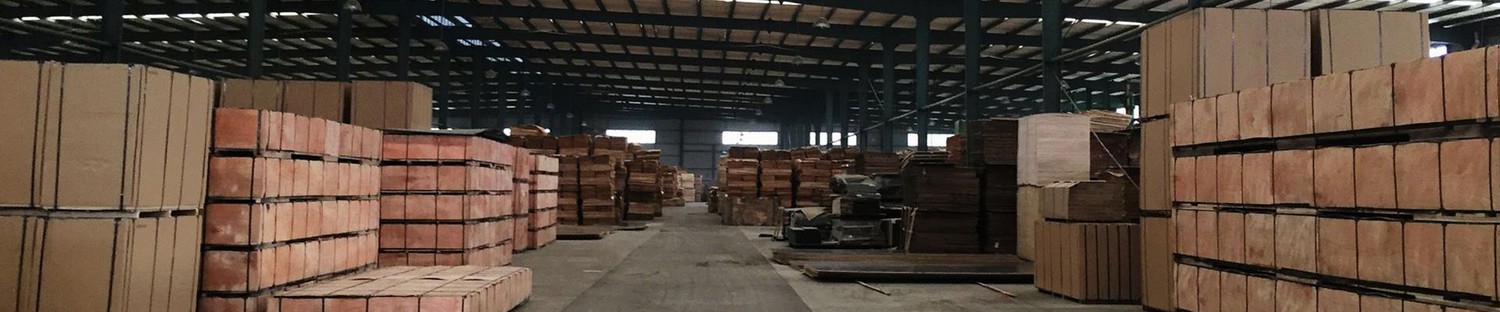
With over 20 years of experience in the wood industry, we have established a reputable fame in providing high-quality wood materials and unparalleled expertise. Our journey began with a commitment to excellence and a passion for wood craftsmanship. Over the years, we have honed our skills, expanded our knowledge, and built a reputation for reliability and innovation.
Our team boasts a strong academic background, with members holding advanced degrees in wood science and related fields. This academic foundation equips us with a deep understanding of the properties and potential of wood, allowing us to deliver superior products and solutions. We are dedicated to continuous learning and staying abreast of the latest advancements in wood technology and sustainable practices.
At Tops Timber and Veneers Limited, we specialize in international business, offering our products and services to clients around the globe. Our extensive experience in international markets has taught us the importance of adhering to the highest quality standards. We strictly follow international grading rules to ensure that our wood materials meet the rigorous demands of our diverse clientele. Whether it's hardwood, softwood, or engineered wood products, we guarantee that each piece is meticulously inspected and graded to meet industry standards.

Asked Questions
We're professional spliced wood veneer manufacturers and suppliers in China, specialized in providing high quality products and service. We warmly welcome you to wholesale spliced wood veneer made in China here from our factory.