


Sliced Wood Veneer
What is Sliced Wood Veneer
Sliced wood veneers in the simplest of terms are thin slices of natural wood generally less than 1/40” thick. These veneers are typically pressed onto or laminated to thicker core materials such as plywood, particle board and MDF to create structural panels to be used in place of thicker hardwood lumber.
Benefits of Sliced Wood Veneer
Environmentally friendly
It's a natural product made from a renewable resource. Therefore, it is one of the most environmentally friendly decorative products available to the consumer.
Strength
When sliced wood veneer is applied to a substrate, it actually increases the strength of the product and while the stresses of temperature and moisture extremes might cause solid wood to crack or swell, sliced wood veneer is strong enough to hold up with ease in these conditions.
Efficiency
Since sliced wood veneer is not cut from a log but rather sliced into very thin sheets, no wood is wasted as sawdust and manufacturers are able to get the most utilization or usable product out of a single piece of wood.
Beauty
Each sliced wood veneer sheet is an original because the grain patterns in any two trees are never exactly alike. You are truly getting a beautiful and unique product when you choose sliced wood veneer.
Versatility
Because sliced wood veneer is easy to work with it's used for many essential products like furniture, cabinets, ceilings, and walls. Making a curved surface with sliced wood veneer is easy, which comes in handy for home furnishing projects. Sliced wood veneer allows even the novice consumer to get creative with their DIY projects.
Durability
Thanks to its design, sliced wood veneer is not prone to problems like warping, splitting, or seasonal movement. As a result, the lifespan of the product increases and you're left with a product to enjoy for years to come.


Why Choose us
Excellent team
Our team boasts a strong academic background, with members holding advanced degrees in wood science and related fields. This academic foundation equips us with a deep understanding of the properties and potential of wood, allowing us to deliver superior products and solutions.
Customer-focused
Our commitment to quality extends beyond our products to the customer experience we provide. We believe in building long-term relationships based on trust, transparency, and mutual success.
Quality Assurance
We strictly follow international grading rules to ensure that our wood materials meet the rigorous demands of our diverse clientele.
What Is The Difference Between Sliced Wood Veneer And Sawn Veneer
Processing
Slicing refers to the direct crosswise or lengthwise cutting of logs using rotating circular saw blades to produce veneers. To avoid cracks caused by crosswise slicing, most veneers used in engineered flooring are longitudinally sliced.
Slicing has many advantages. It generates low material wastage and allows precise control of veneer thickness.
Sawing is mostly done using horizontal band saws to cut wood. To achieve the required wood texture and improve yield, before sawing, logs are segmented into several lumbers of different diameters, which are then sawn into veneers of the required thickness.
Sawing is less efficient than slicing. Each production run results in approximately 2mm of saw kerf waste, leading to lower material utilization. However, the veneers produced by sawing exhibit stronger dimensional stability and fewer processing defects.
Thickness
Slicing was initially used in the production of veneer panels, laminated wood, and similar products, with veneer thickness mostly below 1.0mm. Veneers used in engineered flooring are mostly 1mm to 2mm thick, with fewer quality defects at this thickness. Machines capable of slicing 2.5mm, 3mm, or even thicker veneers are now available.
Sawn veneers are thicker. By adjusting the production parameters of the circular saw machine, veneers ranging from 2mm to 6mm in thickness can be produced.
Color
Compared to sawn veneers, sliced wood veneers tend to have a slightly darker color. Before slicing thicker veneers, the lumber need to undergo steaming treatment, which effectively enhances veneer toughness and reduces the incidence of internal cracks. After steaming, sliced wood veneers darken in color.
Price
For veneers of the same thickness, sliced wood veneers are priced lower due to their higher yield compared to sawn veneers.
How Is Sliced Wood Veneer Manufactured?
LOG YARD
In first step trees are cut down and creates long solid wood. These log yard further classified according to their types, shades and textures. They are kept under optimal humidity conditions to avoid any deterioration during warm season.
DEBARKING
The bark on the log is remove with great care and precise evenness. The bark is shredded and used as fuel. Once debarked, the logs are cut into halves or quarters.
The logs are cut depending on the slicing method used to produce veneer. Modern sawing method allow us to place the log in the best possible to obtain highest quality and yeild of veneers without damaging the wood.
SOAKING THE LOGS
This is a crucial step in manufacturing quality wood veneers. In this step, Logs are soaked to soften the fibre which is necessary for uniform slicing.
The logs are kept in steamers and completely submerged for a period of 12 to 72 hours at a temperature 80 degree to 100 degree.
The success of different curing methods depends on the consistency of wood fibre, hardness of wood, Size of log, fragility of species of wood and weather conditions.
SLICING
For maximum effectiveness, the logs should be cut within a hour after soaking.
Flat slicing is the most common cutting method used. In this method, the half log is positioned such that it is firmly held. The slicing is done at a specific speed to cut the veneers to the right thickness required.
The slicing speed is choose based on wood species so that the wood log is not damaged. Half round slicing, rift cut and rotary cut are some other methods used for veneer slicing.
DRYING
After slicing, sliced wood veneers are put them in dryer in which they are dried evenly within a few minutes. Air temperature is blasted with high velocity on veneer slice .Veneer should dry in such a way that it should have 8-12% moisture content.
QUALITY CHECK
In this process involves inspecting, examining and classifying veneers according to their standards, thickness, shades etc. An expert carefully inspects each log to make sure customers receive quality veneers.
CLIPPING
It is the initial step in the splicing process. They are cut with an in clipper to obtain sheets that are even in length. A similar clipping or cutting process is performed to acquire sheets of a proper width.
The quality of the veneer panel depends on the precision and angle of the cut. Panels are then headed to the glue machine, which bonds the edges of the sheets.
SPLICING
In this process sliced wood veneers are assembled according to match. The pressure exerted and heat applied on veneer slice ensures solid consistent match.
PACKING
The sheets are finally measured, classified and packed with proper labels and transported as per requirement.
Selection Of Sliced Wood Veneer According To Your Target Needs
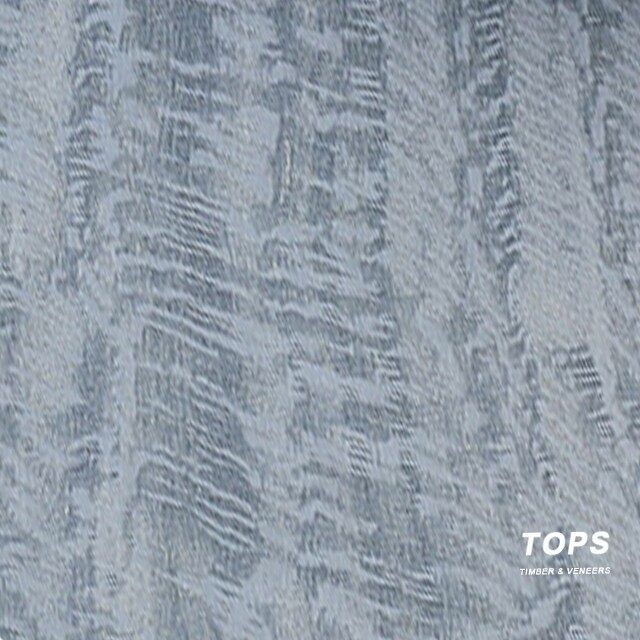
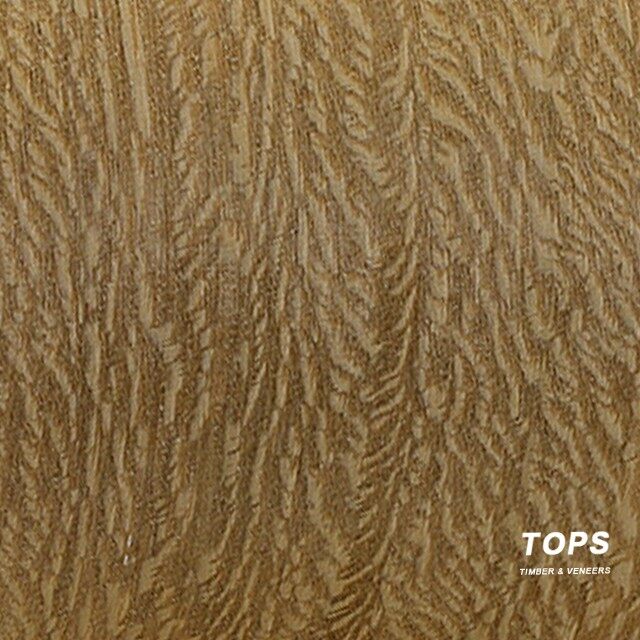

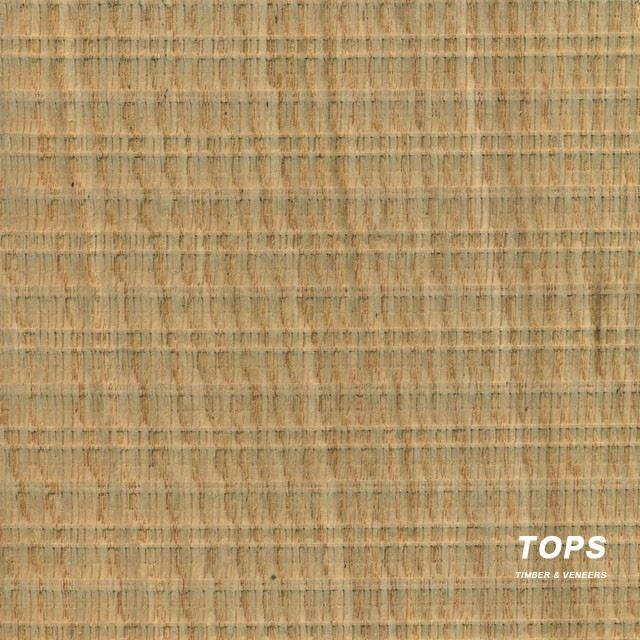
Selecting sliced wood veneer to meet your needs can be a challenging and crucial task. As always, the right choice of material depends on several factors, such as the product's usage, design, budget, and aesthetic preferences.
Before purchasing sliced wood veneer, it's important to understand how you plan to use it. Different types of veneer may have varying properties and characteristics that impact their durability, appearance, and suitability for specific purposes.
Start by defining the purpose of using the sliced wood veneer. If you intend to use it for interior decor, such as furniture or wall/ceiling treatments, veneers from wood species like Oak, Ash, Beech, or Walnut may be suitable. Such veneers are known for their durability and natural, unique patterns.
If you are looking for veneer for external applications, such as making doors, panels, or building facades, it is recommended to choose veneer that meets the requirements of the external environment, including moisture, temperature changes, and other adverse factors. In this case, Oak veneer may be a suitable option.
When selecting sliced wood veneer, it's also important to consider budget possibilities.Some types of veneer may be more expensive than others, depending on the wood's rarity and the complexity of the processing. However, it's crucial to remember that expensive veneer may offer higher quality and a longer lifespan, which can be a cost-effective choice in the long run.
In addition, the design of your project also plays a significant role. You should consider the color, texture and density of the veneer so that it harmoniously fits the interior and exterior. For example, a high-quality veneer with a pronounced color and a natural pattern is perfect for a stylish modern interior, while a knotted veneer of a lower quality can add a special charm to a classic design. All veneer selection criteria should be taken into account to ensure the desired end result of use.
Selecting the right sliced wood veneer for your needs is a complex task that requires attention to many factors. Consider the purpose of use, aesthetic requirements, budget, and design.
Easy Ways To Deal With Sliced Wood Veneer Maintenance

Tip #1: Regular cleaning, dusting and maintenance of finish
Finished sliced wood veneer like most furniture requires frequent care of the finish and dusting to make it look fresh forever. Use a moist cloth or a dry one and clean it daily to keep your furniture look new every day. There are many options of wood conditioners and maintainers.
In most cases, when users ignore dusting, the furniture starts to get damp and accumulates wax on its surface. Consequently, the process is more difficult if much time elapses.
Tip #2: Less exposure to sunlight
The positioning of the furniture is very critical. See to it that the furniture is not placed under the direct exposure of sunlight. If UV inhibitors were used in the finish, then the color and grain will withstand much more sunlight and fluorescent light exposure.
Sliced wood veneer furniture is one of the most sensitive types which cannot handle pressure and heat beyond a specific limit. It is ideal to keep any kind of finished woodwork in a cool and area with as little light as possible. Light causes wood to become “sunstruck” over time, which is usually a darkening.
Tip #3: Use and durability
Veneer offers many colors, grains, burls, figuring, tight grain and loose grain that provide great latitude of choice in design and application. They are very durable products that will last as long as the finish does. The finish protects the sliced wood veneer. Once it wears down, then there is nothing to protect the sliced wood veneer.
Think of the product as needing protection of the finish more so than the actual sliced wood veneer. Keep aware of the thickness of the finish to see if it wearing thin and needs redone. Most sliced wood veneer will need refinishing, but not often will it need replacing unless it has been poorly maintained.
Tip #4: Keep away from sharp objects
One thing to remember about sliced wood veneer care is to keep it safe from any sharp objects at home. A durable finish will withstand a fair amount of nicking and knocking and pings and dings. Sliced wood veneer projects usually entail a fair amount of expense and even with a good finish, even a minor scratch looks deep and evident on its surface.
Tip #5: Polish and apply protection to the finish
The best way to have sliced wood veneer maintenance correctly done is to polish and apply wood furniture protective products regularly. The technology here continues to improve and some of the protectants are quite effective.

Company Introduction
With over 20 years of experience in the wood industry, we have established a reputable fame in providing high-quality wood materials and unparalleled expertise. Our journey began with a commitment to excellence and a passion for wood craftsmanship. Over the years, we have honed our skills, expanded our knowledge, and built a reputation for reliability and innovation.
Our team boasts a strong academic background, with members holding advanced degrees in wood science and related fields. This academic foundation equips us with a deep understanding of the properties and potential of wood, allowing us to deliver superior products and solutions. We are dedicated to continuous learning and staying abreast of the latest advancements in wood technology and sustainable practices.
At Tops Timber and Veneers Limited, we specialize in international business, offering our products and services to clients around the globe. Our extensive experience in international markets has taught us the importance of adhering to the highest quality standards. We strictly follow international grading rules to ensure that our wood materials meet the rigorous demands of our diverse clientele. Whether it's hardwood, softwood, or engineered wood products, we guarantee that each piece is meticulously inspected and graded to meet industry standards.

Asked Questions
We're professional sliced wood veneer manufacturers and suppliers in China, specialized in providing high quality products and service. We warmly welcome you to wholesale sliced wood veneer made in China here from our factory.
elm veneer, grey oak veneer, chinese elm veneer