


Plywood Panel
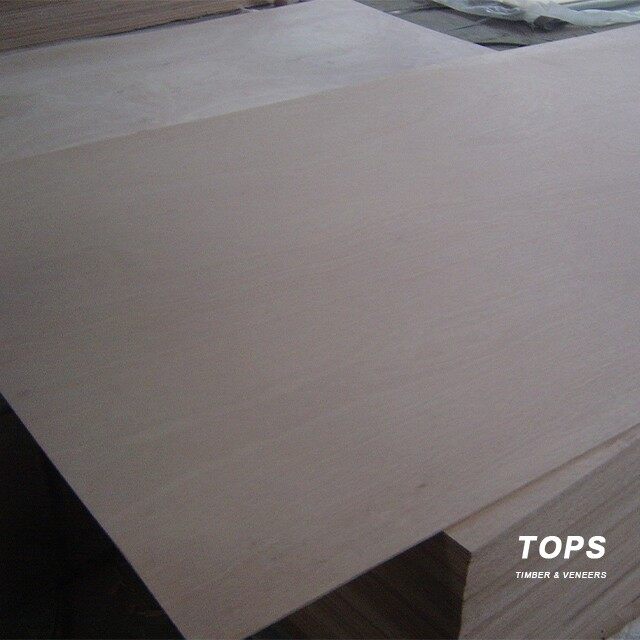
Plywood panel is made by bonding wood veneers together with adhesives under heat and pressure. We have a full range of solutions for interior or exterior uses and decorative or structural purposes, widely applied in construction, furniture, cabinetry, door production, concrete forming, etc.
With over 20 years of experience in the wood industry, Tops Timber and Veneers Limited have established a reputable fame in providing high-quality wood materials and unparalleled expertise. At Tops Timber and Veneers Limited, we specialize in international business, offering our products and services to clients around the globe. Our extensive experience in international markets has taught us the importance of adhering to the highest quality standards. We strictly follow international grading rules to ensure that our wood materials meet the rigorous demands of our diverse clientele. Whether it's hardwood, softwood, or engineered wood products, we guarantee that each piece is meticulously inspected and graded to meet industry standards.

Our Advantages
01
Rich Products
Our company has various products, such as Natural Wood Veneer, Reconstituted Veneer, Plywood Panel, Blockboard, Finger Joint Panel, Wood Fiberboard MDF/HDF, Oriented Strand Board OSB/LSB, Multiple Purpose Panels, Moulded Door Skin.
02
24-Hour Service
Our company promises to provide 7×24 hours service after the contract is signed. We will respond within 1 hour after receiving the message, provide solutions to general faults within 8 hours, and solve complex problems within 24 hours.
03
Wide Application
Our products, such as Natural Wood Veneer, Reconstituted Veneer, Plywood Panel, Blockboard, Finger Joint Panel, Wood Fiberboard MDF/HDF, Oriented Strand Board OSB/LSB, Multiple Purpose Panels, Moulded Door Skin, are widely used in furniture manufacturing, interior decoration, architectural decoration, and art creation.
04
Quality Guaranteed
Our company strictly follow international grading rules to ensure that our wood materials meet the rigorous demands of our diverse clientele. Whether it's hardwood, softwood, or engineered wood products, we guarantee that each piece is meticulously inspected and graded to meet industry standards.

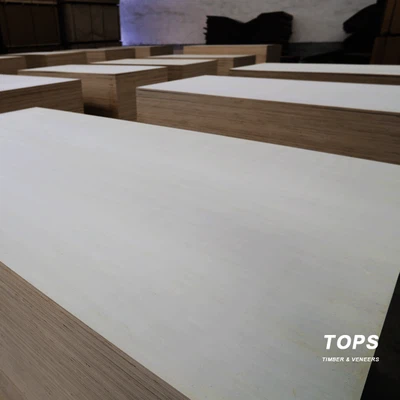


What is Plywood Panel
Plywood Panel, structural material manufactured by gluing together thin sheets of wood, called veneers or plies, with the grain of the layers typically arranged at wide or perpendicular angles for strength. Plywood Panel is a panel product, like particleboard and fibreboard, meaning it is produced in flat sheets from wood-based materials and adhesive.
Advantages of Plywood Panel
High Impact Resistance
Being a wood based material, Plywood Panel has the ability to accommodate the occasional short-term overload; up to twice the design load. This is useful where seismic activity or cyclonic winds can occur. This property is also effective when used as construction flooring or as concrete formwork. Plywood Panel's laminated structure distributes loads from impact over a larger area on the opposite face, which effectively reduces the tensile stress.
01
Surface Dimensional Stability
The cross laminated construction of Plywood Panel ensures that Plywood Panel sheets remain relatively stable under changes of temperature and moisture. This is especially important in flooring and formwork construction where moisture exposure is very likely.
02
Panel Shear
The panel shear of Plywood Panel is nearly double that of solid timber due its cross laminated structure. This makes Plywood Panel a highly effective material to use in gussets for portal frames, webs of fabricated beams and as bracing panels.
03
Strength
Pound for pound, Plywood Panel is stronger than steel in static bending strength. What makes Plywood Panel so strong is its unique cross-layered structure. The adhesives used to bond the veneers in Plywood Panel are actually stronger than the wood itself.
04
Versatility
A great variety of products in various shapes and sizes can be manufactured from hardwood Plywood Panel. Chair backs and seats, domes, bowling alley channels, and pianos are just a few of the many various curved Plywood Panel products.
05
Types Of Plywood Panel
Softwood Plywood Panel comes in different wood species, but fir and pine are most common. Softwood Plywood Panel is ideal for projects where cost must be kept down or where the look of the Plywood Panel is not a priority, such as with wall sheathing or subflooring. Hardwood Plywood Panel is more expensive but is considered more visually appealing.
Hardwood Plywood Panel can differ from softwood in how the panels are constructed. Hardwood panels may have multi-ply layered construction, like softwood Plywood Panel, but often, you’ll find that they’re instead constructed with one-piece composite wood cores. The Plywood Panel face and back then feature a thin decorative hardwood veneer which can be stained, sealed or painted, depending on the preferences of the customer. Hardwood Plywood Panel is intended for interior, non-structural applications like for furniture, cabinetry, finished interior walls and similar projects. Typical hardwood Plywood Panel face species include oak, walnut, maple, hickory and many more.
Structural Plywood Panel is designed for permanent use in building structures like beams, subfloors, bracing for walls or roofs, and in any other instance where strength and stability are vital. Structural Plywood Panel is often quite thick, made of softwood species and without an attractive finish. The majority of structural Plywood Panel is moisture-resistant.
Exterior Plywood Panel is going to be fairly strong, but most importantly, it’s designed for water-resistance and weather exposure. Adhesives used in Exterior Plywood Panel withstand water and harsh sunlight for longer without degradation. However, Exterior Plywood Panel that will be directly exposed to the elements will still need a surface treatment (e.g. waterproof sealant) as it is designed to be covered with siding, flooring, roofing, etc.
Interior Plywood Panel is usually chosen for its looks rather than its strength. You’ll find Interior Plywood Panel ideal for household projects like wall paneling, ceilings, and ceiling treatments (e.g. coffered ceilings) cabinets and furniture. Interior Plywood Panel should not be used for structures nor should it be used outdoors.
How To Choose Plywood Panel
1. Plywood Panel Grade
There are several different grades of Plywood Panel available in the market. Each grade is engineered for specific purposes and applications. For example, exterior-grade Plywood Panel is better suited for outdoor furniture where weather fluctuations, moisture, and other wear-and-tear elements are prevalent. Similarly, interior-grade Plywood Panel is, as the name suggests, intended for indoor use. This type of quality Plywood Panel focuses more on the aesthetics side of things and presents a smooth and elegant finish.
2. Thickness of the Plywood Panel
The thickness of the Plywood Panel is essential for projects where structural integrity and durability matter. Good quality Plywood Panel usually tends to be thicker than most other kinds, making it more robust and durable in the long run. Thicker Plywood Panel is used for more heavy-duty applications, while lighter Plywood Panel is sufficient for things like shelving. You can select the appropriate Plywood Panel thickness depending on your unique requirements.
3. Different Types of Plywood Panel Core
Another important factor to consider when selecting good-quality Plywood Panel is the type of core. Plywood Panel comes in three primary core types: particle board, veneer, and MDF. MDF is made from a fibreboard centre with veneer layers on the top, while particle board Plywood Panel is constructed from wood particles and sawdust glued together. While not as sturdy as veneer Plywood Panel, it presents as a more economical alternative nonetheless. However, the most common type of Plywood Panel is the veneer core Plywood Panel. This is because it is engineered by bonding multiple layers of wood veneers together using an adhesive agent. This ensures that it is strong and highly reliable, making it ideal for a variety of applications and uses.
4. Wood Species Used for the Plywood Panel
It is important to factor in the species of wood utilized for the veneer layers when choosing the best quality Plywood Panel for your requirements. The wood species can have a distinct influence on the overall appearance and strength of the Plywood Panel you are purchasing. The most prevalent types of wood species used in making good quality Plywood Panel include oak, pine, birch and fir.
5. Plywood Panel Pricing and Your Budget
It is essential to adhere to your predetermined budget when buying quality Plywood Panel. This is because prices can vary significantly when it comes to Plywood Panel and other wood products. The pricing of Plywood Panel is based on numerous factors such as its durability, lifespan, waterproofing capabilities, grade rating, the type of core, wood species and even the company brand. It is thus important to strike a delicate balance between functionality and quality to select the best quality Plywood Panel that works for you.
External Cladding
The natural appeal, versatility and strength of Plywood Panel makes it the superior choice for external cladding. Through specification, planning, design and finishing processes, Plywood Panel cladding not only creates a building of superior strength, acoustic and thermal performance but also creates a place of beauty, style and natural appeal.
Framing
Since people began building simple shelters, wooden framing has played an important role in shaping structures of many kinds. One of the most popular types of wooden framing is known as lightweight Plywood Panel construction.
Interior Panelling
Plywood Panel panelling creates interiors as warm as they are stylish. Commonly using an MDF or Plywood Panel substrate, internal Plywood Panel paneling is natural and versatile and comes as either solid natural Plywood Panel panels or as sheets of engineered wood products
Portal Frames
For buildings that require large spans and column free interiors, Plywood Panel portal frames provide one of the most aesthetically pleasing solutions. Utilising modern engineering technology, portal frame design transforms Plywood Panel into a highly effective, efficient and economical structural product.
Interior Rails and Balustrades
With its natural beauty and inherent strength, Plywood Panel is a popular material choice for internal balustrades. Commonly built from treated softwoods and durable hardwoods, interior balustrades and handrails are typically finished with a clear lacquer to generate the most natural result.
Shear Walls
Lateral loads such as wind or earthquake on framed Plywood Panel buildings - either post and beam or stud and joist - need to be resisted and shear walls and diaphragms offer an effective and economical solution.
Exterior Stairs
For outdoor applications, Plywood Panel is one of the leading material choices. Plywood Panel use in external staircase applications creates structures of strength and durability, sheathed in a natural beauty that blends seamlessly with the outdoor environment.
Maintenance of Plywood Panel
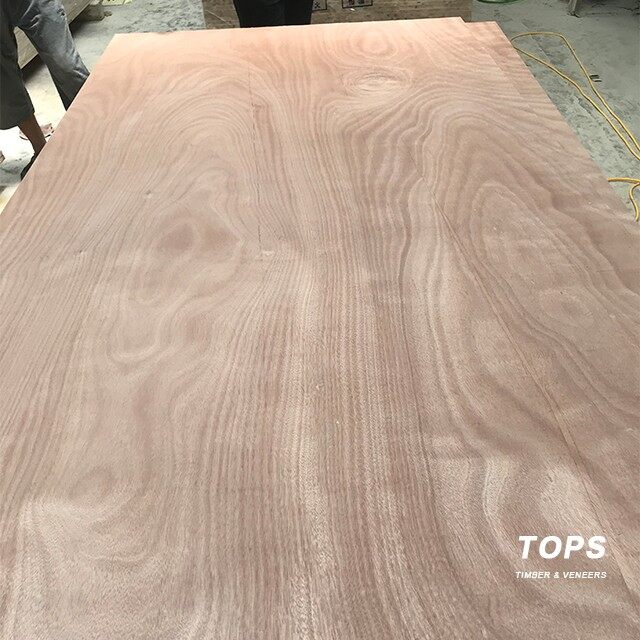
Sealing
Sealing is arguably the most important step in protecting your Plywood Panel project. It acts as a barrier against moisture, preventing warping, cracking, and other forms of damage. Interior Plywood Panel: Choose a water-based sealant specifically formulated for indoor use. Consider the desired finish (matte or gloss) and choose a sealant that complements your project's aesthetics. Exterior Plywood Panel: Opt for a water-resistant sealant designed for outdoor applications. Look for one that includes UV inhibitors to shield your project from the sun's harmful rays.

Cleaning
Regular cleaning removes dirt, grime, and mildew, preventing them from damaging the surface of your Plywood Panel. Interior Plywood Panel: A mild soap and water solution is sufficient for cleaning interior projects. Avoid harsh chemicals and abrasive cleaners that might harm the finish. Exterior Plywood Panel: For outdoor projects, use a stronger cleaning solution specifically designed for outdoor surfaces. Always follow the manufacturer's instructions for safe and effective cleaning.
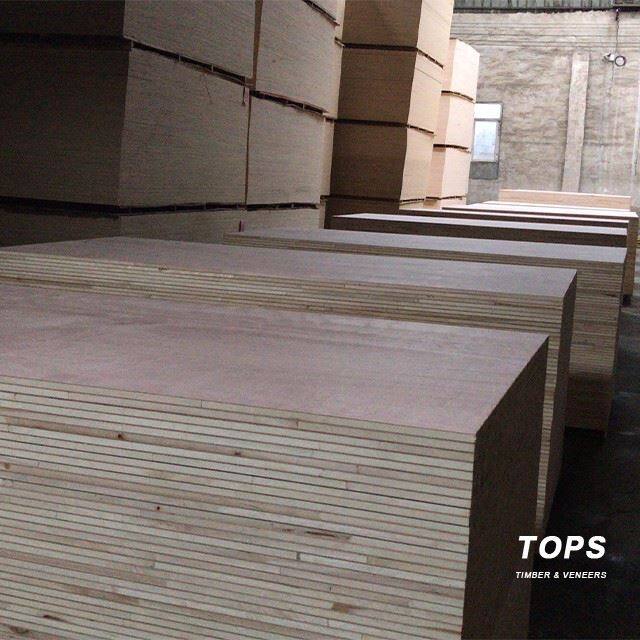
Repainting/Re-staining
Over time, even the best sealants wear down, exposing the Plywood Panel to potential damage. Repainting or re-staining your project restores its color and adds a fresh layer of protection. Interior Plywood Panel: Choose paint or stain suitable for interior use. To achieve a smooth and long-lasting finish, consider applying a primer before painting. Exterior Plywood Panel: Use exterior-grade paint or stain designed to withstand harsh weather conditions. For optimal results, apply a primer before painting for better adhesion.
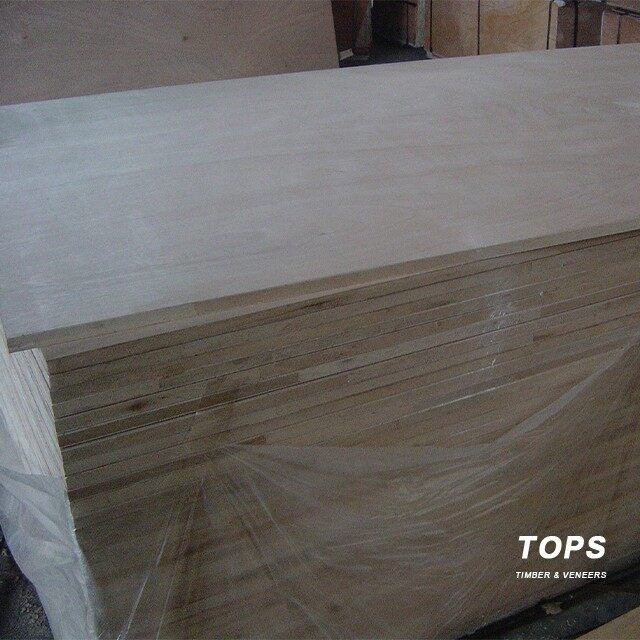
Addressing Damage
Promptly address any cracks, holes, or other forms of damage to prevent further deterioration. Small cracks and holes: These can be easily filled with a suitable wood filler. Once dry, sand the area smooth for a seamless finish.
Proper Storage
Before starting your project, store your Plywood Panel flat and dry in a well-ventilated area. This prevents warping and protects it from moisture damage. Edge protection: Apply an edge sealer to all exposed edges of your Plywood Panel project. This prevents moisture absorption and delamination, ensuring long-lasting durability. Regular inspections: Make it a habit to regularly inspect your Plywood Panel projects for signs of damage, wear, or fading. Addressing these issues promptly will prevent further deterioration.
Frequently Asked Questions
We're professional plywood panel manufacturers and suppliers in China, specialized in providing high quality products and service. We warmly welcome you to wholesale plywood panel made in China here from our factory.