


Blockboard
What is Blockboard
Blockboard is a type of plywood that is engineered in a special way. It is pressured in such a way that the softwood strips are found between two layers of the wood veneers in the core of the sheet. This contributes to the dimensional stability of the board. The presence of softwood strips ensures that the board is able to hold nails and screws better than the other engineered boards. Though it is lighter than plywood, it does not split or splinter while cutting because of the presence of softwood in its core.
Benefits of Blockboard
The density of blockboard is is less than that of hardwood as well as plywood. Due to this fact, they are easy to transport and handle.
Blockboard have moderate strength. In comparison to plywood, they have less strength but are fairly strong as compared to particleboard and MDF.
They have a fair resistance to water. In fact, they can be made waterproof by using BWP grade resin for bonding the strips.
Due to property like good dimensional property blockboards have moderate resistance to warping and cracking when exposed to moisture.
Blockboards are less prone to sagging or bending and mostly preferred for furniture whose length is more than 6 to 7 feet.
Unlike particleboard and MDF, blockboards have a very good screw holding capacity. It can be used for making custom made furniture.
Blockboards are available in various finishes like wood veneer, laminates, etc. Thus, can be painted and polished.
Blockboards do not split while cutting. So, it can be cut using regular woodwork tools. This is the fact why many carpenters prefer to work with blockboard.
Blockboards are poor conductor of sound, heat and electricity. Thus, offer good sound and thermal insulation properties.

Why Choose us
Excellent team
Our team boasts a strong academic background, with members holding advanced degrees in wood science and related fields. This academic foundation equips us with a deep understanding of the properties and potential of wood, allowing us to deliver superior products and solutions.
Customer-focused
Our commitment to quality extends beyond our products to the customer experience we provide. We believe in building long-term relationships based on trust, transparency, and mutual success.
Quality Assurance
We strictly follow international grading rules to ensure that our wood materials meet the rigorous demands of our diverse clientele.
Types of Blockboard
Standard Blockboard
The most common type of blockboard is called a standard blockboard. It is used widely.
This is the most common type, used for the fabrication of general-purpose furniture and interior applications. It has a core made from softwood blocks and is suitable for both residential and commercial use.
Marine Blockboard
These are designed for environments where moisture resistance is crucial, marine blockboard is treated with special chemicals to withstand water and humidity. It is ideal for use in areas prone to damp conditions, such as bathrooms and kitchens.
Fire-Retardant Blockboard
Fire retardant blockboards are precisely treated with specific fire retardant chemicals to enhance the fire retardant capability of the blockboard. These are an ideal solution to ensure fire safety in public buildings and industrial settings.
Decorative Blockboard
Decorative blockboards are fabricated using high-quality decorative veneers to provide an appealing finish. These are used to manufacture premium furniture in places where aesthetics are the main motive.
Key Differences Between Plywood And BlockBoard
Composition And Structure
Block Board consists of a core of softwood blocks with a veneer surface. The core structure provides lightweight properties but limits its moisture resistance.
Plywood is made up of multiple layers of wood veneer glued together in alternating directions. This structure offers superior strength and stability but results in a heavier panel.
Strength And Durability
Block Board is strong and durable for indoor furniture, especially for long pieces. Less prone to warping but not ideal for high-moisture environments.
Plywood is extremely strong and durable, suitable for a wide range of applications including those requiring high load-bearing capacity.
Applications
Block Board is best suited for indoor furniture such as bookshelves, tables, and wardrobes. It is not recommended for exterior use or areas with high humidity.
Plywood is versatile and enough for both indoor and outdoor use, construction, cabinetry, and even marine applications (with the right type of plywood).
Price Comparison Of Plywood And BlockBoard
Block Board is generally more affordable, making it a cost-effective choice for budget-conscious projects. The commercial blockboard is from Rs.90 to Rs.150/Sq.ft and for waterproof blockboard is from Rs.120 to Rs.200/Sq.ft
Plywood prices are expensive, especially higher-grade varieties. However, the increased cost often reflects better quality and performance. Commercial Plywood with a thickness of 8mm 12mm 8mm 6mm range is ₹62/Sq ft and Waterproof Plywood for furniture is 9 mm ₹30/ sq ft and changes according to the thickness of plywood.
Surface Finish
Block boards may require additional work to achieve a smooth finish, as the surface can be uneven due to the core structure.
Whereas, Plywood typically has a smooth, ready-to-finish surface that can be easily painted, stained, or laminated.
Choosing Between BlockBoard And Plywood
Above, we discussed the major differences between Plywood and Blockboard. However, there are various factors that you should consider while picking any of them. These factors are:
Project Requirements
When deciding between a blockboard and plywood, consider the specific requirements of your project. If you need a lightweight, cost-effective material for indoor furniture, block board is an excellent choice. However, for projects that demand superior strength, stability, and versatility, plywood is the better option.
Environmental Factors
Consider the environment where the finished product will be used. For areas with high humidity or potential exposure to moisture, plywood (especially moisture-resistant or marine-grade) is more suitable. Blockboard, on the other hand, is ideal for dry, indoor settings.
Budget Constraints
Budget is always a crucial factor. Blockboard offers a budget-friendly solution for many indoor applications, while plywood price can vary widely depending on the grade and type. Assess your budget and determine which material offers the best value for your specific needs.
Blockboard Manufacturing Process
Slicing
The wood logs are cut into panels, which are then cut to produce small pieces of wood, called strips. The strips used to make a blockboard are about 25mm wide.
Producing veneer
Veneer for both sides of the blockboard is built by rotary cutting a wood log to produce thin sheets of solid wood.
Gluing wooden strips
The wood strips produced in the first step are joined edge-to-edge using a strong adhesive or waterproof/plastic resin and pressed under high-pressure conditions to form a wooden board.
Drying
The boards are left in the sun to let all moisture and water dry up until the humidity is left to only 10-12%. The resulting product is stronger and less prone to damage.
Sandwching
The wooden strip board is then sandwiched between solid wood veneers (produced in the 2nd step) on either side and glued using a strong adhesive to form a solid engineered board.
Finishing & Paint
The final product is laminated or painted according to the desired finish and also to give extra strength and durability. An oil finish can also be done to add an extra layer of safety.
Choosing the Right Blockboard

1. Purpose and application
Choosing a blockboard requires first determining its use and goal. Blockboards of various thicknesses, sizes, and compositions are needed for different purposes. Be it building doors, furniture, partition panels, or interior décor, understanding the particular requirements of your project is crucial.
2. Size and thickness
Blockboards are available in different thicknesses and widths. Common dimensions are 8 feet by 4 feet and 6 feet by 3 feet. The thickness can vary from 16 to 25 millimetres. Make sure the size and thickness you select meet the needs of your project.
3. Material composition
The performance of blockboards is influenced by their mix of materials. Take into account if a blockboard with a hardwood or softwood core is required for your project. Furthermore, veneer finishing might be necessary if you're working on a more ornamental project to produce furniture and interior décor of the highest calibre.
4. Durability and resistance
Because of its legendary ability to withstand bending and warping, blockboards are ideal for use as doors and dividers. When choosing a blockboard, take into account the resistance and durability qualities your project requires.

Application of Blockboards
Furniture construction
Because of their strength and stability, blockboards are a common material for creating furniture such as tables, cupboards, closets, and shelves.
01
Door manufacturing
Blockboards are extremely durable and resistant to wear and strain when used in the construction of doors.
02
Partitions
Blockboards are a useful material for partition walls in interior areas because they provide both structural stability and sound absorption.
03
Panelling
In homes, workplaces, and retail outlets, blockboards are utilised to construct shelves, wall panels, and ornamental elements.
04
Flooring supports
Blockboards offer a flat and strong foundation for hardwood or laminate floorings.
05
Company Introduction
With over 20 years of experience in the wood industry, we have established a reputable fame in providing high-quality wood materials and unparalleled expertise. Our journey began with a commitment to excellence and a passion for wood craftsmanship. Over the years, we have honed our skills, expanded our knowledge, and built a reputation for reliability and innovation.
Our team boasts a strong academic background, with members holding advanced degrees in wood science and related fields. This academic foundation equips us with a deep understanding of the properties and potential of wood, allowing us to deliver superior products and solutions. We are dedicated to continuous learning and staying abreast of the latest advancements in wood technology and sustainable practices.
At Tops Timber and Veneers Limited, we specialize in international business, offering our products and services to clients around the globe. Our extensive experience in international markets has taught us the importance of adhering to the highest quality standards. We strictly follow international grading rules to ensure that our wood materials meet the rigorous demands of our diverse clientele. Whether it's hardwood, softwood, or engineered wood products, we guarantee that each piece is meticulously inspected and graded to meet industry standards.

Asked Questions
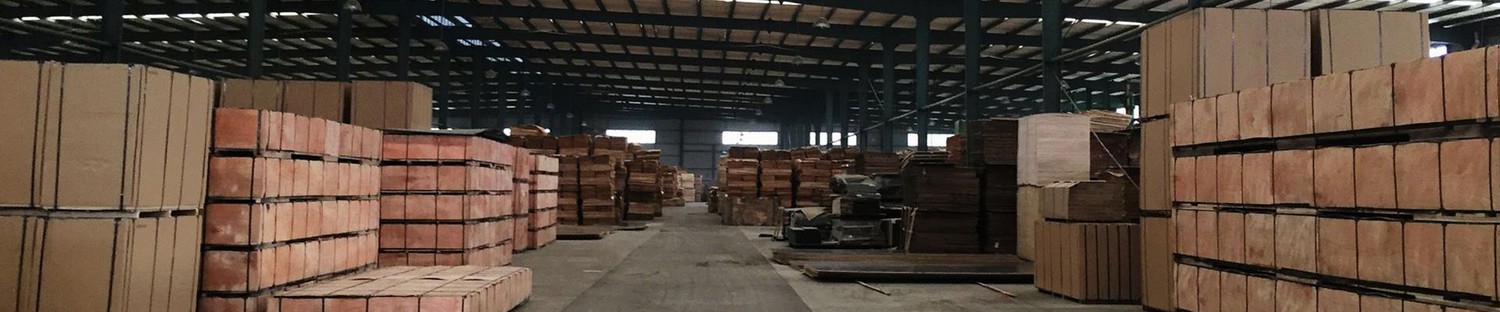
We're professional blockboard manufacturers and suppliers in China, specialized in providing high quality products and service. We warmly welcome you to wholesale blockboard made in China here from our factory.
skateboard veneer kit