


Natural Wood Veneer
Natural wood veneer includes rotary cut wood veneer, sliced wood veneer and some related veneer products further processed from rotary cut and sliced veneers - spliced veneer, fleece/paper backed veneer, veneer rolls of edge banding and profile wraping, smoked veneer, dyed veneer, woven and braided veneer, etc.
With over 20 years of experience in the wood industry, Tops Timber and Veneers Limited have established a reputable fame in providing high-quality wood materials and unparalleled expertise. At Tops Timber and Veneers Limited, we specialize in international business, offering our products and services to clients around the globe. Our extensive experience in international markets has taught us the importance of adhering to the highest quality standards. We strictly follow international grading rules to ensure that our wood materials meet the rigorous demands of our diverse clientele. Whether it's hardwood, softwood, or engineered wood products, we guarantee that each piece is meticulously inspected and graded to meet industry standards.

Our Advantages
01
Rich Products
Our company has various products, such as Natural Wood Veneer, Reconstituted Veneer, Plywood Panel, Blockboard, Finger Joint Panel, Wood Fiberboard MDF/HDF, Oriented Strand Board OSB/LSB, Multiple Purpose Panels, Moulded Door Skin.
02
24-Hour Service
Our company promises to provide 7×24 hours service after the contract is signed. We will respond within 1 hour after receiving the message, provide solutions to general faults within 8 hours, and solve complex problems within 24 hours.
03
Wide Application
Our products, such as Natural Wood Veneer, Reconstituted Veneer, Plywood Panel, Blockboard, Finger Joint Panel, Wood Fiberboard MDF/HDF, Oriented Strand Board OSB/LSB, Multiple Purpose Panels, Moulded Door Skin, are widely used in furniture manufacturing, interior decoration, architectural decoration, and art creation.
04
Quality Guaranteed
Our company strictly follow international grading rules to ensure that our wood materials meet the rigorous demands of our diverse clientele. Whether it's hardwood, softwood, or engineered wood products, we guarantee that each piece is meticulously inspected and graded to meet industry standards.


What is Natural Wood Veneer
Natural wood veneers are thin slices of natural wood generally less than 1/40” thick. These veneers are typically pressed onto or laminated to thicker core materials such as plywood, particle board and MDF to create structural panels to be used in place of thicker hardwood lumber. This is still real wood but machinery and technology allow the material to be sliced thin without waste instead of sawing it into thick boards. Just like thick boards, it can be plain sawn, quarter sawn, rift cut, or rotary cut and produce the many different grain patterns associated with each cut.
Advantages of Natural Wood Veneer
Cost Effective
There are many benefits derived from using Natural Wood Veneers instead of or in combination with traditional hardwood lumber. Using veneer is a more cost effective and efficient use of a natural resource, therefore more environmentally friendly. In comparison to a 1” thick hardwood board, Natural Wood Veneer cut at 1/40” will yield 40 times more decorative surface area than the board. Because it’s a flexible wood, the physical properties of veneer make it possible to veneer surfaces that would be difficult or even impossible with hardwood lumber. The myriad choices of different Natural Wood Veneers in varying cuts offer many more options than are usually available with hardwoods. The ability to stain and finish veneer to suit your individual taste is equally important and is no different than hardwoods. The result is a beautiful wood surface with depth, color, and unique character.
Versatility
While commonly used in building and construction for doors, wood cabinets, furniture, etc., the versatility of flexible Natural Wood Veneers goes well beyond the traditional aspect. Architects and designers incorporate Natural Wood Veneer into their plans as complete interiors or as accent to other mediums. Many upscale retailers incorporate Natural Wood Veneers into their display fixtures. Lighting companies, signage companies, audiophile speaker manufacturers, musical instrument makers, RV, aircraft, and custom yacht manufacturers have all found ways to work this versatile material into their products.
Sustainability
Natural Wood Veneer is renewable, reusable, recyclable, and completely biodegradable. Veneering is a highly efficient use of wood and environmentally friendly. Adhering thin slices of timber to stable substrates delivers all the positive features of solid timber whilst maximising resources. Using wood products, including timber veneer, is better for the environment helps counter climate change.
Lightweight
Natural Wood Veneer is much lighter than solid wood. The core of veneer furniture is made of a variety of materials. Often MDF or particleboard, these materials are lighter than solid wood and rely on glue and chemicals for strength. While this construction makes them a lower quality, it does make the furniture lighter for moving or rearranging.
Types Of Natural Wood Veneers
0.5 mm thickness natural veneer is well known as the common standard veneer. It is raw Natural Wood Veneer, sliced veneer sheets from woodblocks. The common wood species include White Oak, Red Oak, Ash, Burma Teak, Maple, Cherry, Ebony, Rosewood, Sapele, Anigre, Eucalyptus, Bamboo, Koto, etc.They have to put the standard Natural Wood Veneers on the substrate (MDF, Plywood, Particleboard).
From 0.1mm thickness to 0.25mm thickness wood veneer is our paper-thin wood veneer. Most of the paper-thin natural veneers should put kraft paper or fleece back, then to make wood door frames, wood skirting, wood profile. But for the professional veneered plywood & MDF manufacturers, who can bond plywood, MDF with wet thin veneer sheets directly. They have cheaper prices than common thick veneers, and fleece backed veneer is flexible for bending.
The thick veneer is thicker than 0.6 mm, from 0.6 mm to 6.0 mm thickness, the most popular are 1.0 mm, 1.2 mm, 2.0 mm, 3.0mm. Thin wood veneer is perfect for almost all projects. But some designers and custom furniture makers still need a special thicker veneer. Like model and carving, people like to use a thicker wood veneer. In furniture, doors, cabinets, wall panels, toys, and fixtures, some projects also need special thick natural wood veneers. Extra thick veneers help prevent sanding through.
The engineered wood flooring top layer is very important for whole designs. In the production of engineered wood flooring. Manufacturers like to choose the different thickness of top layer veneers for special requests. Like 0.6 mm, 1.2 mm, 2.0 mm, 3.0 mm, 4.0 mm, 6.0 mm, those are the most common engineered flooring top layers thickness. For 0.6 mm, 1.2 mm, and 2.0 mm thickness flooring face veneers, they are sliced. For 2.0 mm, 3.0 mm, 4.0 mm, and 6.0 mm thickness flooring face veneers, they are saw cut.
The dyed veneer is a natural veneer, but has a good advantage is color consistency. That is why dyed veneer is so popular in interzum fair. It keeps the beauty of natural wood grains, free of defects, and very different from the traditional stained effect. The most popular dyed wood species include grey dyed veneer, white dyed veneer, dyed birds eye maple veneer, dyed pearwood veneer, black dyed veneer, dyed ash veneer, dyed koto veneer, dyed sycamore veneer, and dyed burl veneer.
How To Choose Natural Wood Veneer
Understand Your Interior Style
Begin by assessing the existing style and ambiance of your space. Is it contemporary, traditional, or somewhere in between? Understanding your interior style will set the tone for selecting the ideal Natural Wood Veneer.
Consider the Room's Purpose
Different rooms serve different purposes, and your choice of veneer should reflect this. For high-traffic areas like kitchens or offices, opt for durable veneers that can withstand wear and tear. In contrast, for bedrooms or living rooms, you can prioritize aesthetics and select more intricate patterns and shades to create a cozy atmosphere.
Evaluate Lighting Conditions
Natural and artificial lighting can significantly impact the appearance of Natural Wood Veneers. Dark veneers can make a room feel cozier, while light ones can create an open and airy atmosphere. Consider the direction and intensity of light in the room to determine the best shade for your veneer.
Harmonize with Existing Colors
If you have existing furniture or decor elements in the room, choose a Natural Wood Veneer that complements these colors. Choosing the right shade and pattern of Natural Wood Veneers is a crucial step in enhancing your interior spaces.
Applications of Natural Wood Veneer

Furniture
Natural wood veneers look perfect on furniture pieces such as chairs, dressers, and tables and can add a touch of natural beauty. You can choose from different colors such as Anegre, American White Ash, Olive Ash, and Steam Beach to decorate your furniture and make it look unique and premium quality. The veneer sheets are also available in multiple variants including ply, laminated veneers, MDF, and fleece back which offers unmatched durability and stability to your furniture.
Ceilings
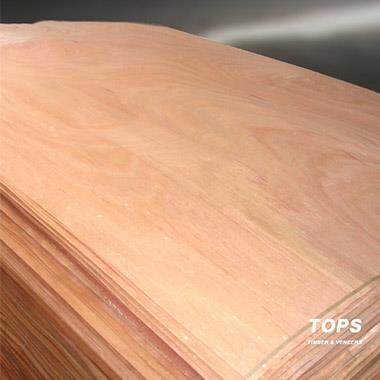
Only an expert woodworker will be able to apply natural wood veneers to ceilings but once they are installed, they can offer an incredible effect to the space that is beyond other decorative options. Also suitable for floors and walls, natural wood veneers can give an incredibly breathtaking look to your room with shades including Oak Dyed Coffee, Platan Dyed Grey, Sycamore Dyed Gold, and Koto Dyed Wenge. The best part is they are made using TD technology that highlights the character and depth of each grain.

Decorative Inlay
Mastering the art of decorative inlays can take some time. With natural wood veneers, however, it gets extremely easy to create and apply patterns that make your decorative elements stand out, further enhancing the look and decor of the space. Choose colors from our rich catalog of natural wood veneer designs .
Artwork
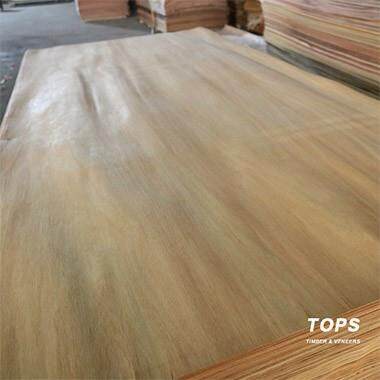
Natural wood veneers can do wonders whether you are creating wooden instruments or decorating collector’s items. You can also customize the dimensions to suit the exact requirement. Natural wood veneers are available in more than 200 unique designs extracted from excotic wood species that can provide an unmatched appearance to different types of artwork. They also come with FSC certification that validates their minimal impact on the environment.
Frequently Asked Questions
We're professional natural wood veneer manufacturers and suppliers in China, specialized in providing high quality products and service. We warmly welcome you to wholesale natural wood veneer made in China here from our factory.