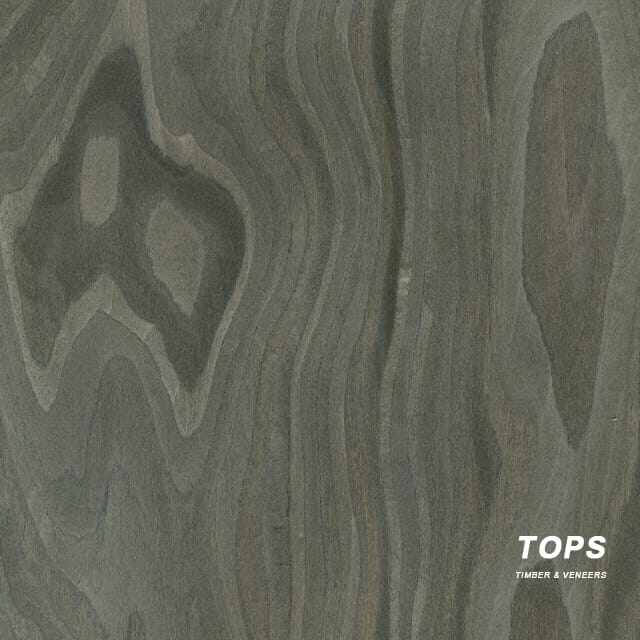
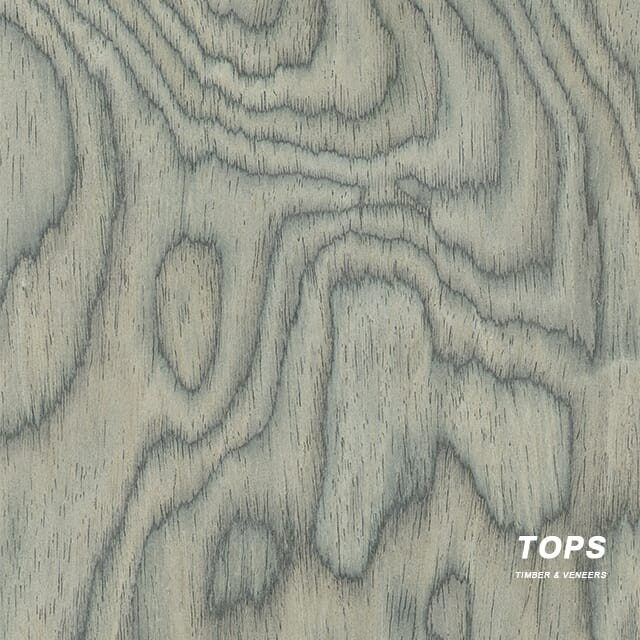
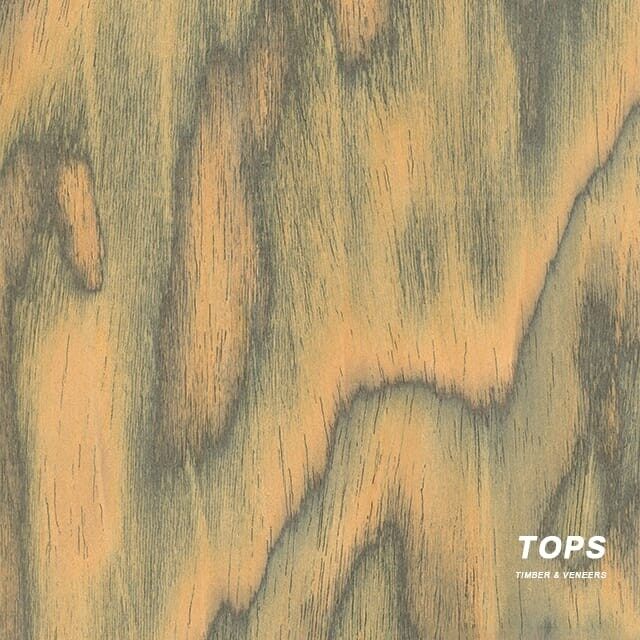
Dyed Maple Veneer is a revolutionary reconstituted veneer that brings incredible transformations to traditional reconstituted wood veneer through advanced dyeing techniques. Each piece of Dyed Maple Veneer offers a stunning array of color choices, providing endless creative and personalized options for your interior decor...
Send Inquiry
Description
Technical Parameters
Introduction of Dyed Maple Veneer
Maple veneer is typically a creamy white to a pink tinged light yellow wood that ages to a deep pale gold color. Maple is a hardwood that is dense, relatively easy to work with and strong. It has a smooth texture and tight uniform grain. It will accept stains and finishes well but is most often finished with a clear coat that preserves the warmth and accentuates the color and beauty of the wood's natural grain.
Specification
Materials: Poplar/Ayous/Basswood
Thickness: 0.2-2.0mm
Size: 640x2500mm
Moisture: 8-12%
Packing: Plywood pallet free of fumigation
MOQ : 2000 sheets
Leading Time: 2 weeks
Hardness: Primarily hard, though some softer maples do exist
Texture: Fine, closed pore
Finishing: Readily accepts stains and finishes
AKA: Hard Maple, White Maple
Cut: Flat Cut or Plain Sliced
Color: Creamy white to light yellow wood that ages to a deep pale gold color
Characteristics: Smooth texture and tight uniform grain
Wood Type: A hardwood that is dense, relatively easy to work with and strong
Advantages of Dyed Maple Veneer
Color Consistency
One of the greatest advantages of dyed wood veneer is that it offers color consistency. We make sure each color is consistent and pressure cooked throughout each leaf during manufacturing.
Natural Beauty
Dyed wood veneer is also wonderful for drawing out the natural beauty of the wood grain. You'll see all of the effortless lines and enhancements while also enjoying a pop of color.
Project Flexibility
Being able to achieve your goals for your project begins with having a great selection of wood veneers to choose from. Our dyed wood veneer products make it easy to create and enhance your final pieces.
Uses of Dyed Maple Veneer
Veneer is typically used for vertical surfaces such as doors, wall paneling, and cabinets. Veneers are also useful for covering parts of furniture and adding a beautiful finish to fine wood instruments such as guitars and ukuleles.
Color range: Color range in spalted maple is highly variable, with a base surface of bleached tan, interspersed with inky black spalting lines.
Character markings: The range of character marks in spalted maple is highly variable. It will contain a balanced spalt lining,tight knots, fine cracks, bark inclusions, random tap holes, discoloration from maple sugaring hardware, impact from insects, and many other characteristics imparted by its long life in the natural world.
Backer options
Paper backer = 1/40" thickness and will be a Beige color or a Brown color. Whichever matches the wood best. Paper backer flexibility will generally wrap around a soda can as example. The paper remains on the product and holds it together at the seams and during lamination to a substrate.
Wood backer = 1/25" thickness and currently is an Ash composite color, but some items may have Okuome Mahogany. The grain on the backing sheet runs the opposite direction of the face wood veneer in order to minimize the pull of the grain from the front side. Wood backer is sometimes preferred because it will absorb contact cement better than paper backer and it is thicker. Wood backer flexibility will generally wrap around a 2 liter soda bottle as example.
PSA backer = 1/40" thickness. This is peel and stick pressure sensitive adhesive made by 3M. PSA products have a paper backer on them with the adhesive added to that backer and protected by a liner film that peels off when ready to apply to a substrate. Wood backed products can also have PSA added. PSA size limitation is 4' wide and 12' long since the PSA comes from 4' wide longer rolls. 3M offers a high quality adhesive that works well when applied to a proper surface. This product eliminates the need for brushes, contact cement and the chemical odor that comes with contact cement.
Quality Guarantee
Professional production for nearly 20 years
Scientific management in quality control
Strict selection of raw materials, grading, and inspection
FAQ
Q: 1.What is maple wood veneer?
A: Maple veneer is typically a creamy white to a pink tinged light yellow wood that ages to a deep pale gold color. Maple is a hardwood that is dense, relatively easy to work with and strong. It has a smooth texture and tight uniform grain.
Q: 2.What is maple veneer vs top?
A: A maple veneer is thinner and will impact the tone less. It is usually there to give the appearance of a maple top (because maple looks nice). A maple top is thicker and will have more impact on tone (usually adding a bit more clarity and brightness to mahogany's more mid-focused tone).
Q: 3.Is veneer real wood?
A: Wood veneers are made by attaching a thin slice of natural wood onto a panel of fiberboard or particleboard. It's important to note that veneers use a piece of real wood, not manufactured material made to look like wood.
Q: 4.Is veneer wood costly?
A: Veneer: High-quality veneers can be much costlier than laminates. The veneer vs laminate cost difference sometimes also depends on the raw materials and the process of making. For instance, the value of veneer depends on the type of wood.
Q: 5.Which is better veneer or plywood?
A: Can veneer be as strong as plywood? While veneer enhances the strength of the underlying substrate, plywood typically offers greater structural integrity due to its cross-grain construction.
Q: 6.Is veneer wood waterproof?
A: Veneers require periodic maintenance as they are not waterproof and may get damaged by heat. Therefore, veneer finishes should be avoided in moisture-laden areas like the kitchens or bathrooms because moisture can seep under the veneer and loosen the top layer.
Q: 7.How long do veneers last?
A: The lifespan of dental veneers depends on whether you have porcelain or composite veneers, and how well you care for them. Porcelain laminate veneers can last from 10 to 12 years. Composite resin veneers need to be replaced sooner, since they last for around 4 to 8 years.
Q: 8.What is the highest grade of veneer?
A: There are four grades of plywood veneer: A, B, C, and D. A-grade plywood is the highest quality. While it will cost more, the time savings can be worth it for projects that will be visible to the eye. This type of plywood is smooth and easy to paint.
Q: 9.Is veneer good for furniture?
A: Good quality wood veneer furniture is also very stable. This is because the veneer is glued to a stable substrate, so the surface isn't prone to warping or splitting. Disadvantages of Wood Veneer Furniture: Wood veneer can blister, delaminate or peel back at the edges if not treated with care.
Q: 10.How are wood veneers applied?
A: Simply apply the glue to the back side of the substrate and lay the backer veneer onto that surface. Then quickly move on to applying veneer glue to the face side of the panel. Put the face veneer in place and get it under clamping pressure as soon as possible.
Q: 11.What can veneer be used for?
A: In woodworking, veneer refers to thin slices of wood and sometimes bark that typically are glued onto core panels (typically, wood, particle board or medium-density fiberboard) to produce flat panels such as doors, tops and panels for cabinets, parquet floors and parts of furniture. They are also used in marquetry.
Q: 12.What are the applications of veneer?
A: Wood veneers can be used on floors, walls, ceilings, furniture, casework, and more to project a sense of opulence and fine craftsmanship.
Q: 13.What makes a good veneer?
A: If you opt for traditional veneers, you'll have to decide between two primary materials: porcelain and composite. Porcelain veneers are the best option because of their superior look, durability, and longevity.
Q: 14.What are the characteristics of veneer?
A: Solid wood can be prone to warping and splitting, but because veneer is made of thin layers of wood glued together, the chances of splitting and cracking are reduced. Further, the glue used provides additional strength, making the end result stronger than natural wood.
Q: 15.Which veneer looks most natural?
A: While various veneer options exist, porcelain veneers consistently stand out as the gold standard in cosmetic dentistry for their durability and natural appearance. Let's discuss what makes porcelain veneers the best options for a natural looking smile makeover.
Q: 16.What are the defects of veneer?
A: Even the best of some veneer species can contain holes, splits, and other surface imperfections that may need attention before or after vacuum pressing. Most of these problems are easy to repair. Here's a brief list of methods to tackle these veneering concerns. Small holes are common in burl veneers.
Q: 17.What are the qualities of veneer?
A: Because wood veneer is so thin, expensive types of wood can be used more readily and with various stains and finishes, providing a beautiful, natural look. Veneer does not absorb moisture or change color when exposed to sunlight at the same levels as other wood materials, so it will not warp.