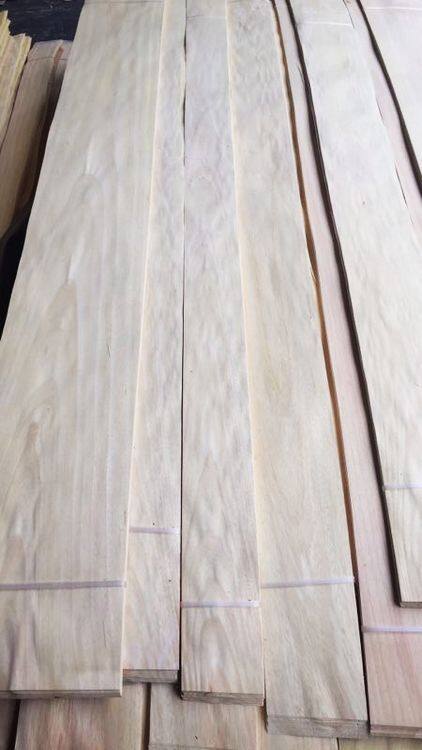
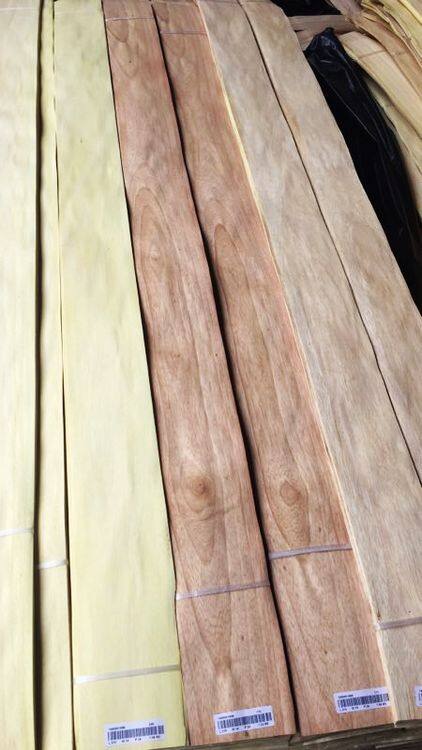
Sliced Rubberwood Veneer

Sliced Rubberwood Veneer

Description
Wood Name: Rubberwood
Botanic Name: Hevea brasiliensis
Origin: South East Asia, China
Thickness: 0.40 mm
Send Inquiry
Description
Technical Parameters
 
Product Parameters


Description


Wood Name:

Rubberwood

Botanic Name:

Hevea brasiliensis

Origin:

South East Asia, China

Thickness:

0.40 mm

Width:

100 mm+

Length:

2000 mm+

Grain:

Straight, crown

Density:

0.61 (after drying)

Grade:

A/B/C/D/E

Grading Rule:

HPVA standards

Certification:

N/A

Application:

Furniture, panels (plywood, MDF, blockboard, etc.)


What is Sliced Rubberwood Veneer?


Rubberwood, otherwise known as parawood, is harvested from the Pará rubber tree (Hevea brasiliensis). Once these trees stop producing enough latex/rubber, usually after about 25-30 years, they are cut down for rubberwood, making room for new trees to grow. This process makes rubberwood a sustainable and eco-friendly choice for furniture making.The dense grain and minimal shrinkage of rubberwood also make it ideal for durable furniture.


Advantages of Laser Cutting Machine


Sustainability
According to WWF, approximately 10% of the world's forests get cut down yearly to become fast-wood forests. Cutting down more trees than the rate they're growing can have a severely negative impact on the environment. It can lead to soil erosions, landslides, and floods. Additionally, it can also hasten the effects of global warming. Harvesting rubberwood can reduce those effects since you're using trees that would have otherwise been burned.


Durable
Contrary to most Western beliefs, Sliced Rubberwood Veneer is less flexible than you think. It's quite a durable hardwood belonging to the maple family. Its strength is about 9500 psi, stiffness of 1.3 million PSI, and hardness of 500 pounds.


Cost-effective
Since Sliced Rubberwood Veneer is often considered a byproduct, it sells for lower prices than most wood. Some people think rubberwood is not a durable product, so they opt for other timber like oak, maple, or cherry.


Ideal for furniture
Processed Sliced Rubberwood Veneer is very stable, with shrinkage and cracking kept to a minimum, making it great for furniture. Moreover, rubberwood has an incredible blonde to medium tan color.


Takes stains well
Rubberwood takes stains and finishes very well. This is especially great if you want to change its appearance to suit your tastes and setting.


Versatility
With its light natural color and smooth grain, Sliced Rubberwood Veneer can be easily adapted to a wide range of finishes and styles indoors.


Applications of Laser Cutting Machine


Thanks to its durability, aesthetic appeal, and sustainability, Sliced Rubberwood Veneer has become a popular material for making indoor furniture. They look particularly great with a lacquer finish to give it that sleek shine. The most common furniture types that use rubberwood are: 

Dining Tables and Chairs: Sliced Rubberwood Veneer's durability as a medium-density hardwood and weight support make it great for making dining furniture. It is particular popular in Scandinavian furniture styles. Their lighter natural hue also offer furniture makers a lot of flexibility in finishing it with various color tones.
Cabinets and Shelving: Similarly, the material's durability makes it suitable for storage solutions as these must support weight for long-term shelving storage.
Bed Frames: Sliced Rubberwood Veneer's hardness and consistency makes it ideal for bed frames as it has a straight grain and is not prone to warping and cracking.
Kitchen Tools: Beyond furniture, Sliced Rubberwood Veneer is also a great material for crafting wooden kitchen tools like cutting boards, knife blocks, and trays, among others.


How to Maintain Laser Cutting Machine


Refrain or Limit Outdoor Exposure
Keep rubberwood furniture indoors and away from direct sunlight to help preserve its quality. Extreme cold, humidity, or wet conditions can put stress on the wood and cause cracking or moisture damage.


Regularly Dust Rubberwood Furniture
Go over rubberwood surfaces with a dry cloth to prevent dust or dirt from building up and getting stuck in the wood grain. Complete this task on a weekly basis or whenever you start to notice a film of dust gathering on the surface. This will keep rubberwood pieces looking pristine.


Use Coasters
Use coasters for drinks on rubberwood tables to prevent moisture rings and moisture from seeping into the wood grain. This will keep rubberwood strong and mark-free. If you spill liquid or forget to use a coaster, don't worry! Simply wipe and dry the spill right away to keep the moisture from settling into the wood.


Wash Pieces On a Yearly Basis
We recommend washing your rubberwood furniture with a mild soap and water mix at least once a year or as needed to keep it looking its best and to remove any unwanted marks. Use a dry cloth to wash and wipe down the surface of the furniture. Then go back over with another dry cloth to soak up the moisture and to help quicken the drying process.


Frequently Asked Questions
 

Q: Is rubber wood good for making furniture?

A: Rubberwood is sturdy and durable, making it good for making furniture. However, it may not be as strong as other hardwoods and can be susceptible to scratches. Regular maintenance and proper care can help maintain its quality.

Q: Is rubberwood a good wood?

A: Yes, rubberwood is a good wood. It's strong, durable, and eco-friendly. It's also easy to work with and resists warping, making it a great choice for furniture and flooring.

Q: Is rubberwood a real wood?

A: Yes, rubberwood is a real wood. It comes from the rubber tree and is commonly used for furniture and flooring.

Q: Is rubberwood the same as MDF?

A: No, rubberwood is not the same as MDF. Rubberwood is a hardwood obtained from the rubber tree, while MDF is a composite wood product made from wood fibers and resin. Rubberwood is solid and durable, while MDF is engineered and composed of compressed wood fibers.

Q: Is rubberwood good for outdoor furniture?

A: No. We do not recommend using rubberwood for outdoor furniture due to its susceptibility to moisture and weather damage. It's best suited for indoor spaces where it can maintain its quality and longevity. Consider other hardwoods or outdoor-specific materials for furniture meant for outdoor use.

Q: Is rubberwood better than pine?

A: Rubberwood is generally considered better than pine in terms of durability and sustainability. While pine is softer and more prone to dents and scratches, rubberwood offers a sturdier option with similar affordability, making it a preferred choice for furniture that needs to withstand everyday use.

Q: What is the difference between rubber wood and solid wood?

A: 1.Appearance
Rubberwood: Typically light yellow-brown, with a straight grain. It offers a uniform, clean look that's pleasing in furniture and decor.
Solid Wood: Varies widely. You can find everything from the deep, rich tones of walnut to the light, airy feel of pine. Each piece brings its own unique character with knots, grains, and color variations.
2.Strength & Hardness
Rubberwood: Falls into the hardwood category but is on the softer side. It's durable enough for furniture but might not handle heavy wear and tear as well as some other woods.
Solid Wood: The strength and hardness vary. Hardwoods like oak and maple are tough and resistant to dents and scratches, while softwoods like cedar are less dense and easier to work with but might not hold up as well under heavy use.
3.Workability
Rubberwood: It's easy to work with, making it a favorite among furniture makers. It sands smooth and takes stains and finishes well.
Solid Wood: Workability varies. Hardwoods can be challenging to cut and shape but reward you with durability, while softwoods are easier to work with but might not last as long.
4.Uses
Rubberwood: Great for indoor furniture, cabinetry, and decor. It's not suited for outdoor use due to its lower resistance to elements.
Solid Wood: The uses are vast, from construction beams and flooring to fine furniture and artistic carvings. Some types of solid wood can even be used outdoors when properly treated.
5.Sustainability
Rubberwood: Highly sustainable. It's a byproduct of the latex industry, which means using this wood helps reduce waste.
Solid Wood: Sustainability varies. While there are sustainably sourced options, it's important to look for certifications like FSC to ensure the wood was harvested responsibly.
6.Furniture Quality
Rubberwood: Often found in affordable furniture lines, rubberwood can look high-end with the right finish. However, its softer nature may mean it doesn't last as long as harder alternatives.
Solid Wood: Known for its durability and longevity. Solid wood furniture can last generations, becoming more valuable over time.
In summary, the choice between rubberwood vs solid wood really depends on what you value most in your project. If you prioritize sustainability and cost-effectiveness with decent durability, rubberwood is a great choice. For projects where longevity, strength, and unique character are paramount, solid wood offers a broad spectrum of options to meet those needs .

Q: Is Sliced Rubberwood Veneer good for cutting boards?

A: Sliced Rubberwood Veneer is gaining popularity as a material for cutting boards. Let's explore Is rubber wood good for cutting board through the pros and cons of using rubber wood for this purpose:
Pros
Sustainability: Rubberwood is considered an environmentally friendly option for cutting boards. Unlike traditional hardwoods, which are harvested solely for timber, rubber wood comes from the rubber tree, primarily grown for latex production. Once the latex-producing cycle ends, the tree is harvested for its wood, making it a sustainable choice.
Affordability: When considering is rubber wood good for cutting board, one of the significant elements that have to be concerned about is affordability. Compared to other hardwoods like maple or walnut, rubber wood is generally more budget-friendly. This makes it an attractive option for consumers seeking a durable cutting board without breaking the bank.
Durability: Rubber wood is known for its hardness and durability, making it suitable for cutting boards. It can withstand the rigors of daily use in the kitchen, resisting warping, cracking, and splitting over time. This durability ensures that the cutting board maintains its integrity even after years of heavy use.
Moisture resistance: This wood exhibits natural resistance to moisture, which is a desirable trait for rubberwood cutting board safety. The inherent moisture resistance helps prevent the growth of bacteria and fungi on the surface of the board, contributing to its hygienic properties. It also minimizes the risk of warping or cupping when exposed to moisture.
Appearance: Rubber wood for cutting boards often features an attractive grain pattern and a warm, light color tone. It can add a touch of natural beauty to any kitchen countertop, enhancing the aesthetic appeal of the cooking space.
Cons
Softness: While rubber wood is durable, it is not as hard as some other hardwoods commonly used for cutting boards, such as maple or walnut. This means it may be more susceptible to scratches and knife marks, especially with prolonged use. While these superficial marks do not affect the functionality of the board, they may impact its appearance over time.
Maintenance requirements: Rubber wood cutting boards require regular maintenance to preserve their appearance and longevity. This includes oiling the board periodically to prevent drying and cracking, as well as proper cleaning after each use to remove food residues and prevent bacterial growth. Failure to maintain the board adequately can result in staining, warping, or deterioration over time.
Limited availability: Rubber wood cutting boards may not be as widely available as those made from more common hardwoods. This limited availability can make it challenging to find a suitable option, especially in certain regions where rubber wood is less prevalent in the market.
Potential for allergies: While rare, some individuals may have allergic reactions to rubber wood, particularly if they have sensitivities to latex. Although the risk is minimal, it's essential to consider this factor, especially in commercial or shared kitchen environments where the cutting board may come into contact with a diverse range of users.
Overall, rubber wood can be a viable option for cutting boards, offering sustainability, affordability, and durability. However, it's essential to weigh the pros and cons carefully and consider your specific needs and preferences before making a decision. Proper maintenance and care are crucial to ensuring a rubber wood-cutting board's longevity and hygienic properties.

Hot Tags: sliced rubberwood veneer, China sliced rubberwood veneer manufacturers, suppliers, factory, elm veneer, grey oak veneer, chinese elm veneer

Send Message