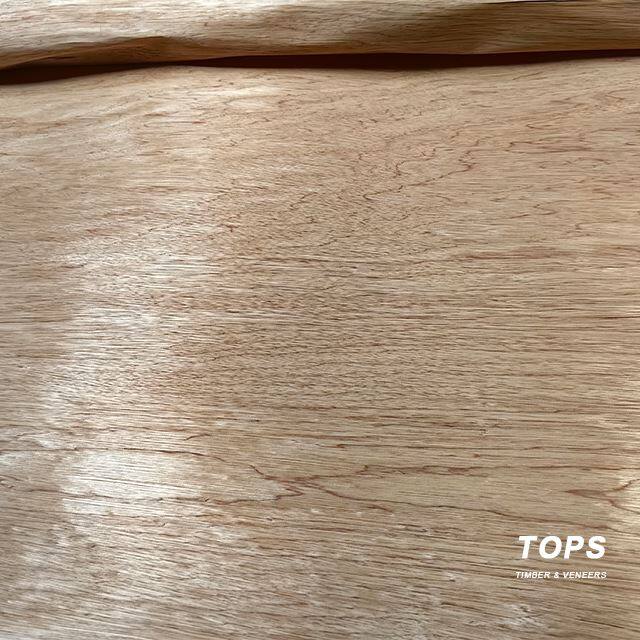
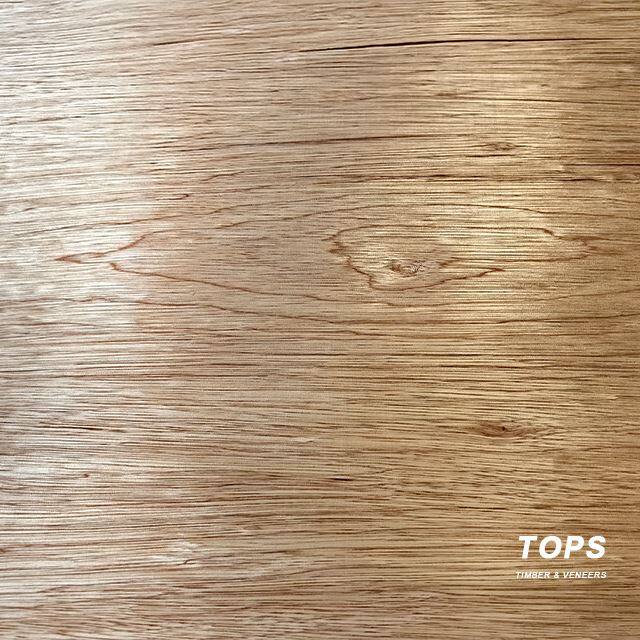
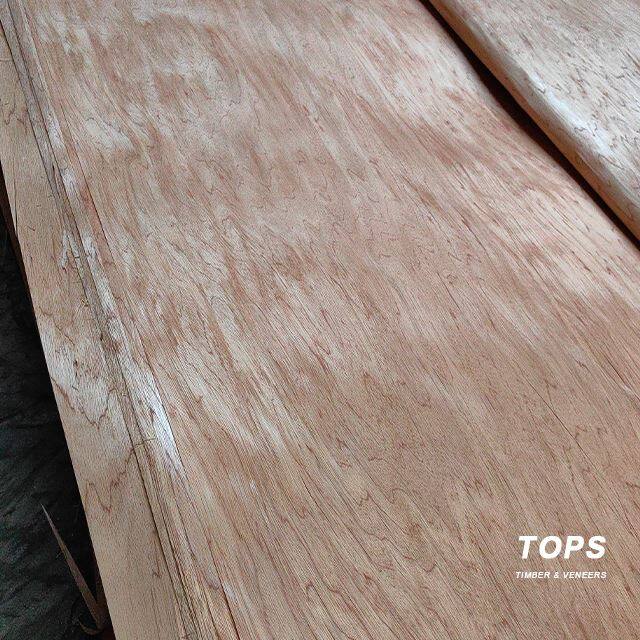
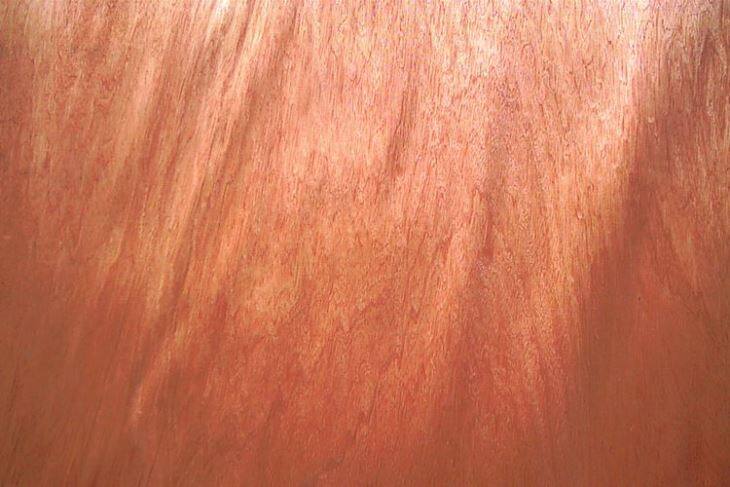
What is Bintangor Veneer?
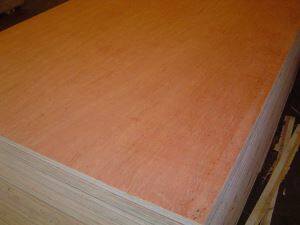
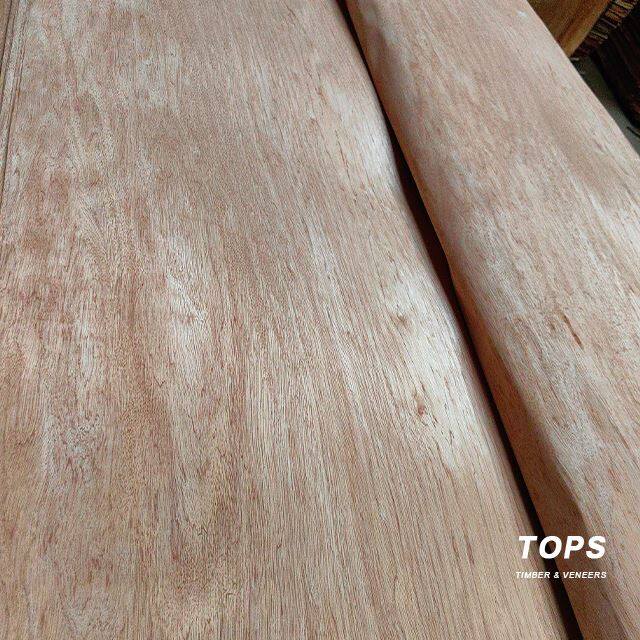
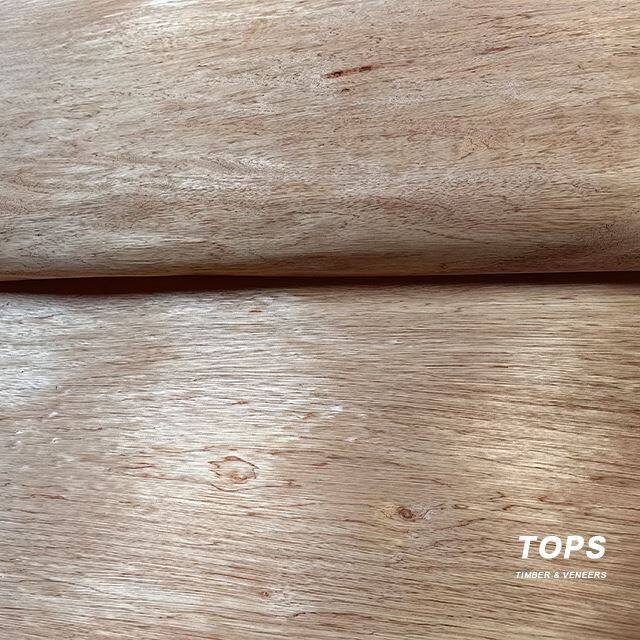
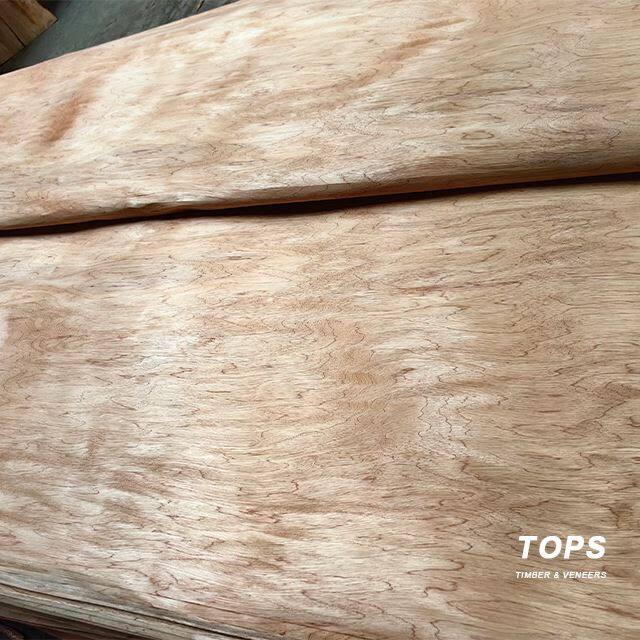
Bintangor (commercial name of Calophyllum), which sometimes wrongly spelled as Bingtangor , is a kind of red hardwood . Rotary-cut Bintangor veneers have beautiful grains . This's why Bintangor is the usual face/back veneers of plywood .
Bintangor plywood are suitable for furniture making and decorating because of good-looking grains .
Usually, European and US buyers prefer Bintangor plywood of B/BB, BB/CC grade (or similar grade) . The face/back veneers of B/BB, BB/CC Bintangor plywood are clean and free of open defects.
Specifications
|
Wood Name: |
Bintangor |
|
Botanic Name: |
Calophyllum spp. (CAL) |
|
Origin: |
Pacific Islands |
|
Thickness: |
0.15 – 0.3 mm |
|
Size: |
4'x8', 3'x6' |
|
Grain: |
Long Grain |
|
Density: |
0.62 (after drying) |
|
Grade: |
A/B/C/D |
|
Certification: |
N/A |
|
Application: |
Panels (Plywood, MDF, blockboard, etc.) |
Features of Bintangor Veneer
Bintangor plywood is some multi-ply veneer glued and laminated with Bintangor veneer. Bintangor Plywood is widely used in furniture, construction, vehicles, boats, ships, and other fields and has good strength, durability, and processing performance.
The Overall Structural Strength is High
Less Deformation and Greater Stability In Wet Environments
Excellent Processing Performance
Good Water Resistance
More Economical and Practical In Cost
Advantages of Bintangor Veneer
Strength and Durability
Bintangor-Faced Commercial Plywood is made using high-quality Bintangor veneers for the face and back layers and a void-free core. This construction provides excellent strength and durability, making it suitable for a variety of applications.
Stability
The cross-grain construction of Bintangor Faced Commercial Plywood provides excellent stability, which means that it is less likely to warp, twist, or split than solid wood.
Smooth Surface
Bintangor veneers are known for their smooth and consistent surface, which makes them an ideal choice for the face and back layers of plywood. This feature makes it easy to finish and gives it an attractive appearance.
Ease of Use
Bintangor-Faced Commercial Plywood is easy to work with, as it can be cut, drilled, and shaped using standard woodworking tools. This feature makes it an ideal choice for furniture making, cabinet making, and other woodworking projects.
Availability
Bintangor Faced Commercial Plywood is widely available in various sizes and thicknesses, making it easy to find the right product for your specific needs.
Popular Wood Veneer Species
Walnut
Walnut features an elegant grain and color variation throughout every sheet of veneer. And while the heartwood ranges from light to chocolate-brown color with subtle stripes, it sometimes displays light golden markings that give it even more character. You'll find Walnut used quite often in architectural millwork, high-end furniture, accent walls, and, interestingly enough, judges' panels.
White Oak
A timeless hardwood, White Oak is known for its distinctive uniform grain and slight color range that shifts subtly from light to medium brown. A particularly popular cut, the light, uplifting color of Rift White Oak is a popular choice for kitchen cabinetry, as it blends easily and seamlessly with many design elements. While the Rift cut of White Oak has a very straight, combed grain appearance, the Plain Sliced variety showcases the heart or cathedral of the tree quite prominently.
Maple
Another favorite species for cabinetry and architectural paneling is Maple - for both its innate qualities and its ability to assume other colors. Naturally light and bright in color, the best Maple veneer can also be dyed or stained to achieve any desired look or color. It truly is the chameleon of Wood Veneer, and its subtle, elegant grain blends well into any environment or design style.
Alder
A softwood that grows best in moist conditions at lower elevations, Alder thrives in the Pacific Northwest. Color-wise, it ranges from light tan to reddish-brown for some of the most gorgeous Wood Veneer you can choose. And woodworkers love it because it's a stable wood that's not prone to structural movement - once it's installed, it's highly reliable, maintaining elite constructural integrity.
Cherry
The Wood Veneer of Cherry, or "Black Cherry" as it's also known, offers a uniform light-reddish appearance with a satin texture and tight uniform grain. When quarter cut, it produces a vertical grain with a mellow striped appearance. And yet, while subtle, you'll find that all cherry has at least some hints of figure in the grain. Because of its warm color, Cherry wood makes beautiful furniture, hardwood flooring, and wall paneling. Basically, it's an excellent choice for almost any application. But kitchen cabinet makers especially love its rich, warm tones.
Bintangor
The timber is a Light Hardwood with a density of 465-865 kg/m3 and an average density of 640 kg/m3 air dry. The natural durability of this timber ranges from moderately durable (C. ferrugineum var. ferrugineum) to non durable. Bintangor can be categorised as moderately difficult to treat with preservatives. Texture is moderately coarse to coarse and uneven, with interlocked, spiral or wavy grain. The timber falls into Strength Group C (Engku, 1988b) or SG 5 (MS 544:Part 2:2001).