


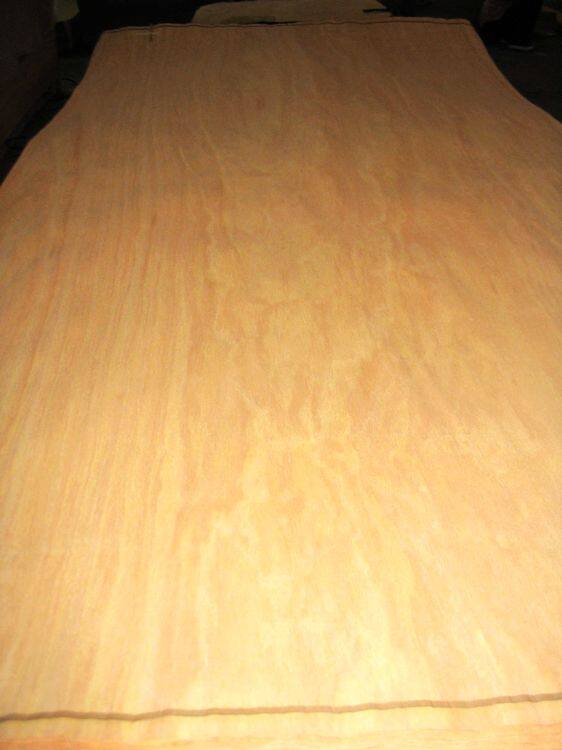
Specification
|
Description |
|||
|
Wood Name: |
Mersawa |
||
|
Botanic Name: |
Anisoptera spp |
||
|
Origin: |
Pacific Islands |
||
|
Thickness: |
0.2 – 0.5 mm |
||
|
Size: |
4'x8', 3'x7', 3'x6' |
||
|
Grain: |
Long Grain |
||
|
Density: |
0.64 (after drying) |
||
|
Grade: |
A/B/C/D |
||
|
Certification: |
N/A |
||
|
Application: |
Panels (Plywood, MDF, blockboard, etc.), doors |


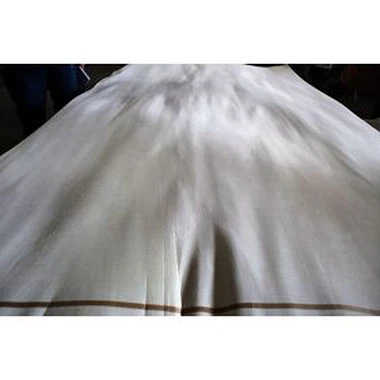


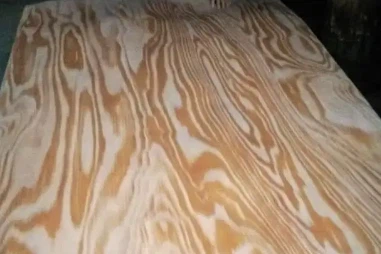
What is Mersawa Veneer
Mersawa wood - When newly cut, the heartwood is yellow-brown with a pink tinge; it darkens to a straw-brown on exposure. The sapwood is lighter, and not clearly demarcated from the heartwood. Mersawa has an interlocked grain with a moderately coarse and even texture.
1.Mersawa Veneer has medium crushing strength, low resistance to shock loads, low bending strength, very low stiffness and a poor steam-bending classification.
2.The wood turns, glues, nails and screws well and stains and polishes adequately.
3.Mersawa Veneer is moderately durable, with some natural resistance to attack from the powder-post beetle. The heartwood has moderate resistance to preservative treatment.
The timber is extremely popular as a plywood species. Typical Uses include light construction, door and window frames and sills (internal use only), posts, beams, joists, rafters, furniture, pallets (expendable type), packing boxes and crates, joinery, cabinet making, flooring, staircase (newel, sprandrel framing, tread, bullnose, round end and winder), tool handles (non-impact) and disposable chopsticks.
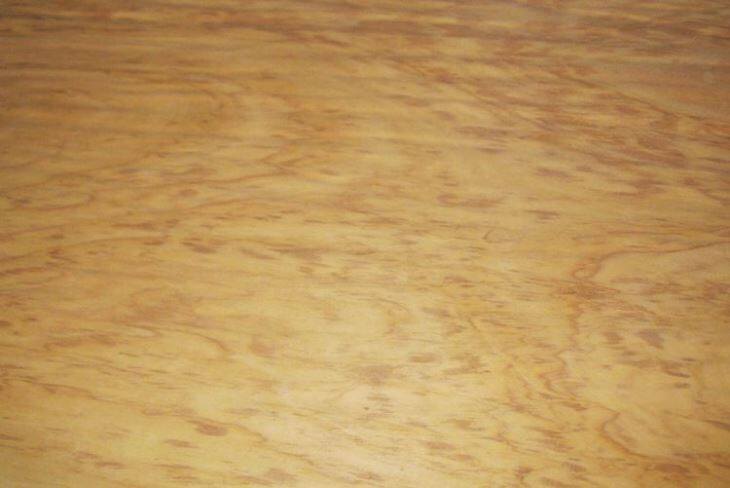
How to Choose Mersawa Veneer
Understand Your Interior Style
Begin by assessing the existing style and ambiance of your space. Is it contemporary, traditional, or somewhere in between? Understanding your interior style will set the tone for selecting the ideal Mersawa Veneer.
01
Consider the Room's Purpose
Different rooms serve different purposes, and your choice of veneer should reflect this. For high-traffic areas like kitchens or offices, opt for durable veneers that can withstand wear and tear. In contrast, for bedrooms or living rooms, you can prioritize aesthetics and select more intricate patterns and shades to create a cozy atmosphere.
02
Evaluate Lighting Conditions
Natural and artificial lighting can significantly impact the appearance of Mersawa Veneer. Dark veneers can make a room feel cozier, while light ones can create an open and airy atmosphere. Consider the direction and intensity of light in the room to determine the best shade for your veneer.
03
Harmonize with Existing Colors
If you have existing furniture or decor elements in the room, choose a Mersawa Veneer that complements these colors. Choosing the right shade and pattern of Mersawa Veneer is a crucial step in enhancing your interior spaces.
04
How to Maintain Mersawa Veneer
Mersawa Veneers are known for their superior scratch resistance and durability compared to hardwood; despite such advantages, wood veneers require proper maintenance. Here are some ways to maintain your Mesawa veneer:
Stain Removal
Unlike hardwood and other surfaces, Mersawa Veneers do not get easily stained by common food items such as coffee, tea, and red wine. That, however, doesn't mean veneers are stain proof. If you find a stain on your veneers, do not use abrasive cleaning agents or scrubs. Instead, use a mild stain-removing polish or cleaner with a soft sponge.
Damage Prevention
Keep your wood veneer furniture out of direct sunlight, as it can damage the surface over time. Always use coasters with cups or glasses to prevent water and heat damage. Do not write on a piece of paper placed directly over the veneer surface as it may leave a mark. Instead, make it a point to use either writing pads or go for fabric desk pads.
Minor Repairs
If you find a stain or crack on a Mersawa Veneer, which you are unable to remove on your own, or notice any other major damage to the surface, hire a repair professional rather than going the DIY way. Only an experienced professional will be equipped to repair or replace the Mersawa Veneer to restore its natural beauty, and help prevent further damage.
Routine Maintenance
Routine maintenance including regular dusting with a soft, dry cloth or tissues. For visible marks and stains, you can use an appropriate cleaning solution with a soft sponge. These routine maintenance tasks should be enough to ensure your Mersawa Veneer surfaces retain their appeal for years to come.


